<?xml version="1.0" encoding="UTF-8"?>
<?xml-stylesheet type="text/xsl" href="/wp-content/themes/feed/atom.xsl"?>
<feed
        xmlns="http://www.w3.org/2005/Atom"
        xmlns:wwe="http://release.wwe.com/atom/1.0"
        xmlns:thr="http://purl.org/syndication/thread/1.0"
        xmlns:taxo="http://purl.org/rss/1.0/modules/taxonomy/"
        xml:lang="en-US"
        xml:base="https://www.wagnerlawgroup.com/wp-atom.php"
	>
    <title type="text">Mark Poerio | The Wagner Law Group</title>
    <subtitle type="text">The Wagner Law Group</subtitle>

    <updated>2026-06-18T16:04:25Z</updated>

    <link rel="alternate" type="text/html" href="https://www.wagnerlawgroup.com" />
    <id>https://www.wagnerlawgroup.com/feed/atom/</id>
    <link rel="self" type="application/atom+xml" href="https://www.wagnerlawgroup.com/blog/category/author/mark-poerio/feed/atom/?forceByPassCache=0.08932578149308557" />
	
	<generator uri="https://wordpress.org/" version="6.9.4">WordPress</generator>
<icon>/wp-content/uploads/sites/1101401/2021/06/cropped-wagner-fav-icon-2-32x32.png</icon>
        <entry>
            <author>
									                    <name> asonneberg</name>
				            </author>
            <title type="html"><![CDATA[14 Attorneys from The Wagner Law Group to be Recognized in 2026 Edition of The Best Lawyers in America©]]></title>
            <link rel="alternate" type="text/html" href="https://www.wagnerlawgroup.com/blog/2025/08/14-attorneys-from-the-wagner-law-group-to-be-recognized-in-2026-edition-of-the-best-lawyers-in-america/" />
            <id>https://www.wagnerlawgroup.com/?p=67352</id>
            <updated>2025-08-27T20:06:54Z</updated>
            <published>2025-08-21T19:42:50Z</published>
					<taxo:topics><![CDATA[-]]></taxo:topics>
            <summary type="html"><![CDATA[14 Attorneys from The Wagner Law Group to be Recognized in 2026 Edition of The Best Lawyers in America© – The Wagner Law Group Press Release, August 21, 2025 (PDF)]]></summary>
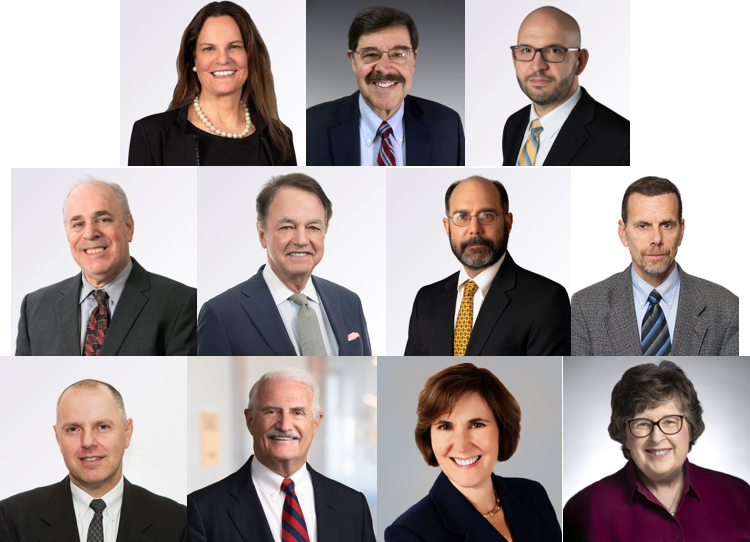
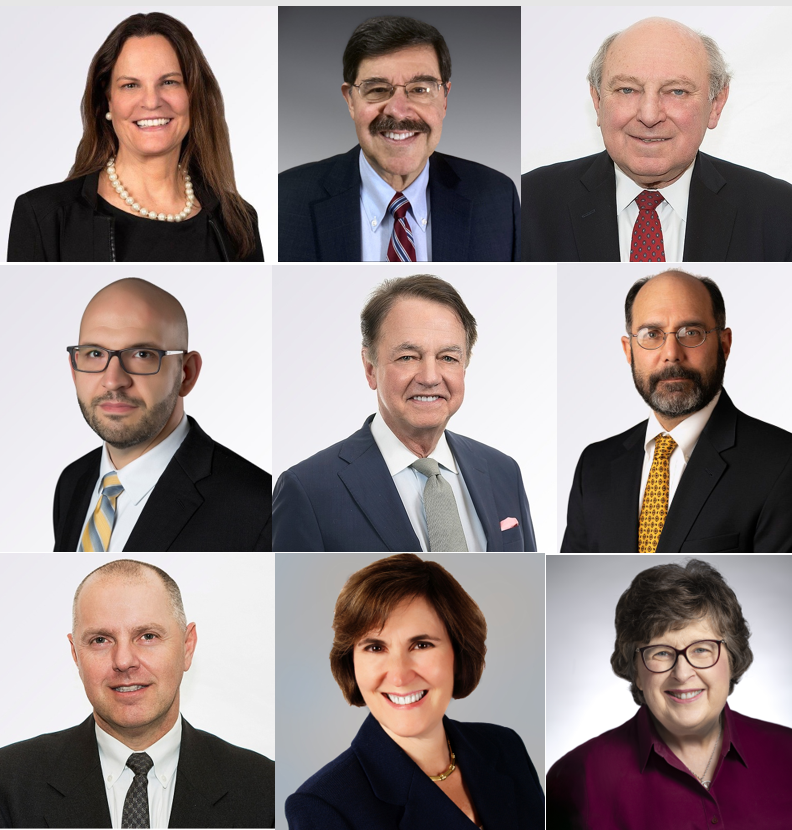
			                <content type="html" xml:base="https://www.wagnerlawgroup.com/blog/2025/08/14-attorneys-from-the-wagner-law-group-to-be-recognized-in-2026-edition-of-the-best-lawyers-in-america/"><![CDATA[<a href="https://www.einpresswire.com/article/841834766/14-attorneys-from-the-wagner-law-group-to-be-recognized-in-2026-edition-of-the-best-lawyers-in-america" data-wpel-link="external" target="_blank" rel="noopener noreferrer">14 Attorneys from The Wagner Law Group to be Recognized in 2026 Edition of The Best Lawyers in America<sup>©</sup></a> - The Wagner Law Group Press Release, August 21, 2025 (<a href="/wp-content/uploads/sites/1101401/2025/08/082125PressRelease.pdf" data-wpel-link="internal">PDF</a>)]]></content>
						        </entry>
	        <entry>
            <author>
									                    <name>by The Wagner Law Group</name>
				            </author>
            <title type="html"><![CDATA[The Wagner Law Group’s Washington, D.C. Office Benefits Bulletin Newsletter]]></title>
            <link rel="alternate" type="text/html" href="https://www.wagnerlawgroup.com/blog/2025/04/the-wagner-law-groups-washington-d-c-office-benefits-bulletin-newsletter-2/" />
            <id>https://www.wagnerlawgroup.com/?p=67384</id>
            <updated>2025-10-06T19:16:42Z</updated>
            <published>2025-04-30T19:12:34Z</published>
					<taxo:topics><![CDATA[-]]></taxo:topics>
            <summary type="html"><![CDATA[Welcome to the inaugural edition of our Washington D.C. newsletter, which will address legislative and regulatory issues through the prism of The Wagner Law Group’s Washington D.C. expertise. Our Washington D.C. office members have unique experience gained from working in government agencies. The Wagner Law Group is proud of its firm-wide relationship, based on mutual respect, with regulatory agencies that provides insight…]]></summary>
			                <content type="html" xml:base="https://www.wagnerlawgroup.com/blog/2025/04/the-wagner-law-groups-washington-d-c-office-benefits-bulletin-newsletter-2/"><![CDATA[Welcome to the inaugural edition of our Washington D.C. newsletter, which will address legislative and regulatory issues through the prism of The Wagner Law Group’s Washington D.C. expertise. Our Washington D.C. office members have unique experience gained from working in government agencies. The Wagner Law Group is proud of its firm-wide relationship, based on mutual respect, with regulatory agencies that provides insight and enables us to manage the need for direct representation and dialogue when appropriate.

This Newsletter summarizes and provides links to the following timely and important articles:
<ul>
 	<li>Federal District Court Declares Current Regulatory Framework for Assessing Excise Taxes Under the Affordable Care Act’s Employer Mandate is Void and Unenforceable – by <a href="https://www.wagnerlawgroup.com/attorney/keller-eric/" data-wpel-link="internal">Eric Keller</a> and <a href="https://www.wagnerlawgroup.com/attorney/watson-roberta-casper/" data-wpel-link="internal">Roberta Casper Watson</a></li>
</ul>
<em>The practical effect of the court’s potentially earthshaking declaration would seem to be that, unless such declaration is overturned on appeal, employers have no liability to pay excise taxes under Section 4980H of the Internal Revenue Code and may file a refund claim for such taxes previously paid.  For more information,</em> <a href="https://www.wagnerlawgroup.com/blog/2025/04/federal-district-court-declares-current-regulatory-framework-for-assessing-excise-taxes-under-the-affordable-care-acts-employer-mandate-is-void-and-unenforceable/" data-wpel-link="internal"><em>click here</em></a>.
<ul>
 	<li>Popular Benefits-Related Tax Provisions May be Targeted to Raise Revenue for Federal Tax Cuts – by <a href="https://www.wagnerlawgroup.com/attorney/keller-eric/" data-wpel-link="internal">Eric Keller</a></li>
</ul>
<em>Some of the largest tax expenditures found in the Internal Revenue Code provide tax-favored treatment for a variety of popular employee benefit programs, such as the exclusion from income for employer-provided health insurance as well as tax-favored retirement plans and accounts and equity-based compensation arrangements.  One or more of these or other popular benefits-related tax provisions may be targeted to help pay for the expected extension of the Tax Cuts and Jobs Act of 2017 as well as the possible implementation of other tax cuts that have been championed by President Trump, such as excluding tips and Social Security payments from income taxes</em>.  <em>For more information,</em> <a href="https://www.wagnerlawgroup.com/blog/2025/04/popular-benefits-related-tax-provisions-may-be-targeted-to-raise-revenue-for-federal-tax-cuts/" data-wpel-link="internal"><em>click here</em></a>.
<ul>
 	<li>Highlights of 2024 PBGC Meeting With ABA’s Joint Committee on Employee Benefits – by <a href="https://www.wagnerlawgroup.com/attorney/ashner-harold-j/" data-wpel-link="internal">Harold Ashner</a> and <a href="https://www.wagnerlawgroup.com/attorney/goldowitz-israel/" data-wpel-link="internal">Israel Goldowitz</a></li>
</ul>
<em>On April 30, 2025, the American Bar Association (“ABA”) posted a summary of the May 1, 2024, meeting between representatives of the Pension Benefit Guaranty Corporation (“PBGC”) and representatives of the ABA’s Joint Committee on Employee Benefits (“JCEB”). For a summary of the key highlights of meeting,</em> <a href="https://www.americanbar.org/content/dam/aba/events/employee_benefits/technicalsessions/2024-pbgc-report.pdf" data-wpel-link="external" target="_blank" rel="noopener noreferrer"><em>click here</em></a><em>.</em>
<ul>
 	<li>Retaining an Independent Fiduciary to Address Prohibited Transactions or Enable Plan Fiduciaries to Appropriately Allocate Risk – by <a href="https://www.wagnerlawgroup.com/attorney/wilkes-stephen-p/" data-wpel-link="internal">Stephen Wilkes</a> and <a href="https://www.wagnerlawgroup.com/attorney/gaudreau-seth-f/" data-wpel-link="internal">Seth Gaudreau</a></li>
</ul>
<em>The retention of an independent fiduciary plays a critical role not only to resolve a conflict in a prohibited transaction sense, but to provide an appropriate method of effective risk allocation to Plan fiduciaries who must otherwise discharge investment and other transactional duties (often quite complex in nature) in a prudent fashion, e.g., PBM service arrangements. For more information,</em> <a href="https://www.wagnerlawgroup.com/blog/2025/04/retaining-an-independent-fiduciary-to-address-prohibited-transactions-or-enable-plan-fiduciaries-to-appropriately-allocate-risk/" data-wpel-link="internal"><em>click here</em></a><em>. </em>
<ul>
 	<li>Executive Compensation in Volatile Times: Advice for Privately-held Companies and Their Executives – by <a href="https://www.wagnerlawgroup.com/attorney/poerio-mark/" data-wpel-link="internal">Mark Poerio</a></li>
</ul>
<em>From tariffs to cash flows, small business owners may feel that mid-2025 warrants attention to how key employees are compensated and retained. For ideas on how to attract and retain key executives in volatile times, for more information, please</em> <a href="https://www.wagnerlawgroup.com/blog/2025/04/executive-compensation-in-volatile-times-advice-for-privately-held-companies-and-their-executives-2/" data-wpel-link="internal"><em>click here</em></a>.
<ul>
 	<li>ERISA and Bankruptcy: Conflict or Harmony? – by <a href="https://www.wagnerlawgroup.com/attorney/goldowitz-israel/" data-wpel-link="internal">Israel Goldowitz</a></li>
</ul>
<em>With the economy and the securities markets roiled by trade wars, many businesses are no doubt considering the possibility of a recession. We might also expect a major increase in bankruptcy filings. That may require consideration of how ERISA and the Bankruptcy Code interact. Judge Craig Goldblatt of the Delaware Bankruptcy Court has been conducting a master class in the Yellow Corporation Chapter 11 case. For a summary of the key rulings he has made to date, please</em> <a href="https://www.wagnerlawgroup.com/blog/2025/04/erisa-and-bankruptcy-conflict-or-harmony/" data-wpel-link="internal"><em>click here</em></a><em>.</em>

<strong>WLG’s Washington Office Welcomes Three Preeminent Attorneys</strong>

The Wagner Law Group has expanded its Washington DC office with the arrival of three preeminent employee benefits attorneys: <a href="https://www.wagnerlawgroup.com/attorney/andrioff-joni-l/" data-wpel-link="internal">Joni Andrioff</a> and <a href="https://www.wagnerlawgroup.com/attorney/keller-eric/" data-wpel-link="internal">Eric Keller</a> who joined in February and <a href="https://www.wagnerlawgroup.com/attorney/castro-camille/" data-wpel-link="internal">Camille Castro</a> who joined in April.

Ms. Andrioff is recognized as a leader in the area of employee benefits and executive compensation law with over 35 years of working in partnership with employers, service providers, and ERISA fiduciaries. Mr. Keller has over 25 years of experiencing counseling employers, fiduciaries and service providers on the full spectrum of executive compensation and employee benefits law.  Ms. Castro brings over a decade of experience related to ERISA and pension plans, most recently as the PBGC’s Office of the Advocate.

Ms. Andrioff and Mr. Keller are fellows of the prestigious American College of Employee Benefits Council, and Ms. Andrioff is the immediate past president of the ACEBC.  Our Washington Office has seven attorneys who are ACEBC fellows, two of whom are former ACEBC presidents.  The Wagner Law Group has 13 attorneys who are ACEBC fellows, more than any other law firm.]]></content>
						        </entry>
	        <entry>
            <author>
									                    <name>by The Wagner Law Group</name>
				            </author>
            <title type="html"><![CDATA[Executive Compensation in Volatile Times:  Advice for Privately-held Companies and Their Executives]]></title>
            <link rel="alternate" type="text/html" href="https://www.wagnerlawgroup.com/blog/2025/04/executive-compensation-in-volatile-times-advice-for-privately-held-companies-and-their-executives-2/" />
            <id>https://www.wagnerlawgroup.com/?p=66424</id>
            <updated>2025-04-30T18:04:33Z</updated>
            <published>2025-04-30T16:00:36Z</published>
					<taxo:topics><![CDATA[-]]></taxo:topics>
            <summary type="html"><![CDATA[by Mark Poerio From tariffs to cash flows, small business owners may feel that mid-2025 warrants attention to how key employees are compensated and retained. Formula-based bonuses may need refinement. It may also be timely to consider change-in-control retention incentives, as well as equity-based incentives. And perhaps improved trade secret and non-competition protections. From an executive compensation perspective, a wholistic…]]></summary>
			                <content type="html" xml:base="https://www.wagnerlawgroup.com/blog/2025/04/executive-compensation-in-volatile-times-advice-for-privately-held-companies-and-their-executives-2/"><![CDATA[<strong>by Mark Poerio</strong>

From tariffs to cash flows, small business owners may feel that mid-2025 warrants attention to how key employees are compensated and retained. Formula-based bonuses may need refinement. It may also be timely to consider change-in-control retention incentives, as well as equity-based incentives. And perhaps improved trade secret and non-competition protections. From an executive compensation perspective, a wholistic approach is generally best.

There is a toolkit for pretty much any business situation and objective that a small business faces. As a general matter, pure takeaways (such as reduced bonus opportunities) are usually best coupled with a new benefit - such as phantom stock that pays out on a change in control or after some period of future employment. Such a benefit preserves cash in the short term, while providing incentives that motivate.

Each member of Wagner Law’s executive compensation team has decades of experience that involve hearing business needs and suggesting efficient alternatives. <a href="https://www.wagnerlawgroup.com/wp-content/uploads/sites/1101401/2025/04/012220ExecutiveCompWebinarSlides.pptx" data-wpel-link="internal">Here is a link to a <em>PowerPoint Presentation</em></a> that we used for a webinar a few years ago. It’s outline remains timely, and we would be glad to customize it for a call or presentation for any client or friend that desires assistance during these high stakes times.

[author] [author_image timthumb='on']https://www.wagnerlawgroup.com/wp-content/uploads/sites/1101401/2021/07/Mark-Poerio.jpg[/author_image] [author_info]Mark Poerio has been in private practice with a focus on executive compensation, employee benefits (especially ESOPs), and retirement plan fiduciary matters, not only from a tax and labor perspective, but also from a business, governance, tax, securities, and litigation perspective. [/author_info] [/author]]]></content>
						        </entry>
	        <entry>
            <author>
									                    <name>by The Wagner Law Group</name>
				            </author>
            <title type="html"><![CDATA[A Sampling of Compensation and Other Strategies  for Small Businesses in a World of Big Changes]]></title>
            <link rel="alternate" type="text/html" href="https://www.wagnerlawgroup.com/blog/2025/02/a-sampling-of-compensation-and-other-strategies-for-small-businesses-in-a-world-of-big-changes/" />
            <id>https://www.wagnerlawgroup.com/?p=65867</id>
            <updated>2025-02-04T20:28:56Z</updated>
            <published>2025-02-04T20:28:56Z</published>
					<taxo:topics><![CDATA[-]]></taxo:topics>
            <summary type="html"><![CDATA[The value of a business can depend to a large degree on motivating and retaining key employees. Despite the high stakes, it is remarkably common to encounter owners who rely on informal practices to assure loyalty and solid performance. They only realize the importance of tools like “golden handcuffs” and restrictive covenants, such as non-solicitation and trade-secret protections, when someone…]]></summary>
			                <content type="html" xml:base="https://www.wagnerlawgroup.com/blog/2025/02/a-sampling-of-compensation-and-other-strategies-for-small-businesses-in-a-world-of-big-changes/"><![CDATA[The value of a business can depend to a large degree on motivating and retaining key employees. Despite the high stakes, it is remarkably common to encounter owners who rely on informal practices to assure loyalty and solid performance. They only realize the importance of tools like “golden handcuffs” and restrictive covenants, such as non-solicitation and trade-secret protections, when someone leaves to join a competitor. At an earlier stage, when the value of their business is low, many take a penny-wise approach that later costs key employees massive tax benefits when the business succeeds.

The applicable rules change periodically, and, indeed, there have been some recent developments in the world of executive compensation. One involves the so-called “Section 83(b)” election, discussed below. Another, which is beyond the scope of this Alert, involves changes that the IRS and the Department of Treasury proposed on January 14, 2025, to the regulations under Section 162(m) of the Internal Revenue Code of 1986.<a href="#_ftn1" name="_ftnref1"><sup>[1]</sup></a>

Read on for a checklist of some of the executive-compensation and business-protection alternatives that owners may be wise to consider.

<strong><em>Business Protections</em></strong>

Non-competition provisions have emerged in America as a toxic practice in the eyes of some. This trend arguably reflects a public sense of unfairness to workers, spurred on by state laws and recent now-enjoined FTC rule-making efforts<a href="#_ftn2" name="_ftnref2"><sup>[2]</sup></a>, and an evolving sense of fairness on the part of lawmakers, the courts and the press. It is noted, however, that, in those jurisdictions in which noncompetes are not actually barred by criminal law or subject to civil penalties, even an ostensibly unenforceable noncompete can effectively impede the later employment (or other retention) of a service provider if the subsequent employer (or other service recipient) is unwilling to proceed with the retention as a result of the noncompete.

In the wake of blowback against non-competition restrictions, some owners may be chilled from pursuing or refining three other related business protections that are generally considered reasonable to establish. In addition, Federal and state laws can impact the allowability and enforceability of the following tools, thus requiring specific evaluation before any measures are implemented.

<em>Trade Secrets, Inventions, and Confidential Information. </em>Key employees almost always have access to the deepest and most critical plans of their employers. Agreements relating to these matters can sometimes have subtle and not-so-subtle implications that effectively amount to noncompete restrictions, depending on the applicable facts and circumstances.

<em>Non-solicitation of Customers</em>. Not all key employees interact with customers. However, business risk comes from those who do develop relationships with customers. These provisions are generally easier to enforce than general noncompetes.

<em>Non-solicitation of Employees.</em>  Key employees almost always develop ties and influence over other employees and contractors. While these provisions are generally enforceable, depending on how tightly they are drafted, departing personnel frequently try to avoid or even evade the applicable contractual restrictions.

Business-protection agreements relating to any of the foregoing may sometimes best be complemented by financial enforcement-related incentives in the form of executive compensation that is placed at risk in the event of breached confidences and other agreements. For instance, deferred compensation (subject to applicable tax considerations) may be eligible for payout only after a departing executive has honored post-employment restrictive covenants such as those described above.

Protective measures regarding the foregoing involve tricky issues of law, and should not be undertaken until legal counsel has outlined the legal boundaries and design alternatives. Advance attention is almost always preferable to emergency action after the damage has occurred.

<strong><em>Tax Incentives - Section 83(b) Elections</em></strong>

As the old saw goes,”[N]obody owes any public duty to pay more [in taxes] than the law demands.”<a href="#_ftn3" name="_ftnref3"><sup>[3]</sup></a> Similarly, those who start new business ventures — or deal with struggling ones — may be tempted, understandably, to delay the time and expense associated with implementing tax-advantaged strategies for the benefit of key employees and other service providers.

Plans for restricted stock awards are often efficient to design and implement, where the applicable facts and circumstances make such plans desirable. For start-up and other companies with minimal fair market value, Section 83(b) of the Internal Revenue Code of 1986 provides a potentially special opportunity for executives to lock in capital gains treatment within 30 days after receiving restricted stock awards. Section 83(b) elections require that the recipient of restricted stock recognize ordinary income at the time of the award, which is why Section 83(b) elections generally make real sense for stock that has little value when the awards occur. (It is noted in this regard that the election is almost always extremely well-advised even where the grantee pays fair market value for the stock, if the stock at the time of purchase is unvested.) Section 83(b) elections can also have critical utility in a wide variety of circumstances outside of the start-up context.

The IRS recently released <a href="https://www.irs.gov/pub/irs-pdf/f15620.pdf" data-wpel-link="external" target="_blank" rel="noopener noreferrer">Form 15620</a> for use in making Section 83(b) elections, thereby reducing the cost of implementing restricted stock programs at an early or low-value stage. At this juncture, while an election is still required, use of the new form to make the election is not, although its use may facilitate electronic submission. It is noted that the new form includes the following two features (which, depending on the structure of any particular grant and the surrounding facts and circumstances, could be relevant to whether using the form is desirable) that appear in neither the regulation nor the previous IRS model (see Rev. Proc. 2012-29): (i) required identification of the service recipient and (ii) execution under penalty of perjury.
<p style="text-align: center;">* * *</p>
The attorneys at The Wagner Law would be happy to hear from business owners and key employees (and other service providers) who desire further information about any of the alternatives described above.

<a href="#_ftnref1" name="_ftn1">[1]</a> The fate of the Section 162(m) proposal is uncertain in light of the regulatory freeze provided by the January 20, 2025, Memorandum issued by President Trump.

<a href="#_ftnref2" name="_ftn2"><sup>[2]</sup></a> <a href="https://www.ftc.gov/news-events/news/press-releases/2024/04/ftc-announces-rule-banning-noncompetes" data-wpel-link="external" target="_blank" rel="noopener noreferrer">FTC Announcement</a>, April 23, 2024 (describing efforts “to promote competition by banning noncompetes nationwide, protecting the fundamental freedom of workers to change jobs, increasing innovation, and fostering new business formation.”).

<a href="#_ftnref3" name="_ftn3"><sup>[3]</sup></a> Comm’r v. Newman, 159 F.2d 848, 851 (2d Cir. 1947) (Hand, J. dissenting).

[author] [author_image timthumb='on']https://www.wagnerlawgroup.com/wp-content/uploads/sites/1101401/2021/07/Mark-Poerio.jpg[/author_image] [author_info]Mark Poerio has been in private practice with a focus on executive compensation, employee benefits (especially ESOPs), and retirement plan fiduciary matters, not only from a tax and labor perspective, but also from a business, governance, tax, securities, and litigation perspective. [/author_info] [/author]

[author] [author_image timthumb='on']https://www.wagnerlawgroup.com/wp-content/uploads/sites/1101401/2022/12/andrew-oringer.png[/author_image] [author_info]Andrew Oringer heads the firm’s New York office and serves as its General Counsel. His expertise extends to a broad array of issues relating to ERISA and executive compensation. He advises clients regarding their pension and welfare plans and arrangements, benefits-related tax matters and fiduciary issues arising in connection with the investment of plan assets, and has extensive experience with executive compensation representing employers as well as individual executives.[/author_info] [/author]

&nbsp;]]></content>
						        </entry>
	        <entry>
            <author>
									                    <name>by The Wagner Law Group</name>
				            </author>
            <title type="html"><![CDATA[Executive Compensation 2025 &#8211; On the Watch for Things Past as Prologue]]></title>
            <link rel="alternate" type="text/html" href="https://www.wagnerlawgroup.com/blog/2024/11/executive-compensation-2025-on-the-watch-for-things-past-as-prologue/" />
            <id>https://www.wagnerlawgroup.com/?p=65536</id>
            <updated>2024-11-20T16:21:42Z</updated>
            <published>2024-11-20T20:16:14Z</published>
					<taxo:topics><![CDATA[-]]></taxo:topics>
            <summary type="html"><![CDATA[The 2024 Election already portends transformative consequences for federal agencies, some of which may extend to executive compensation. Among the possible impacts, agency staffing levels are in doubt, leading to possible challenges regarding exemptions, enforcement and promulgation of new authority, not to mention the real possibility of affirmative and widespread deregulation.  This possible transformation is happening against the backdrop of the…]]></summary>
			                <content type="html" xml:base="https://www.wagnerlawgroup.com/blog/2024/11/executive-compensation-2025-on-the-watch-for-things-past-as-prologue/"><![CDATA[The 2024 Election already portends transformative consequences for federal agencies, some of which may extend to executive compensation. Among the possible impacts, agency staffing levels are in doubt, leading to possible challenges regarding exemptions, enforcement and promulgation of new authority, not to mention the real possibility of affirmative and widespread deregulation.  This possible transformation is happening against the backdrop of the challenges to administrative authority presented by the Supreme Court’s decision in <em>Loper Bright Enterprises v. Raimondo Relentless, Inc. v. Department of Commerce, et al.</em>, 144 S. Ct. 2244 (2024), which eliminated the deference to administrative rulemaking brought about by <em>Chevron U.S.A. Inc. v. Natural Resources Defense Council, Inc.</em>, 467 U.S. 837 (1984).

CERTAIN POTENTIAL AREAS OF ACTIVITY

The following are some forward-looking thoughts drawn from what we saw during the prior Trump administration:
<ol>
 	<li>Dodd-Frank</li>
</ol>
In February 2017, President Trump issued an executive order directing the Secretary of Treasury to review the “Dodd–Frank Wall Street Reform and Consumer Protection Act.”  Also in 2017, the House of Representatives, under Republican control, passed the “Financial CHOICE Act.”  The Act, which failed in the Senate, would have:
<ul>
 	<li>repealed the Dodd Frank’s CEO pay-ratio disclosure requirements;</li>
 	<li>made significant changes to Dodd-Frank’s clawback provisions;</li>
 	<li>amended Dodd-Frank’s “say-on-pay” requirements to require votes only in years following material changes to the executive compensation programs, rather than at least every three years (as is currently required);</li>
 	<li>repealed the Securities and Exchange Commission’s proposed rules requiring companies to disclose their hedging policies for officers, directors, and employees; and</li>
 	<li>repeal existing requirements for annual disclosure relating to a company’s CEO and chairman structure (e.g., combined, separate, etc.).</li>
</ul>
In addition, the October 2017 Treasury report that followed President Trump’s Executive Order advocated for the repeal of the pay-ratio disclosure requirements. It is unclear at this point whether the second Trump administration will pursue initiatives in furtherance of the repeal of the pay-ratio requirements and the other changes that would have been made by the “Financial CHOICE Act.”

More generally, it is reasonable to wonder, given the depth and breadth of what President-Elect Trump is apparently considering, whether some attention will be devoted to reconsidering such long-standing provisions as Section 162(m) of the Internal Revenue Code, which generally provides for nondeducibility of certain compensation paid by public companies to specified high-level executives; Sections 280G and 4999, generally relating to the deductibility of and excise taxes on “golden parachutes” arising in connection with a corporate change in control; Section 409A, relating to the taxation of nonqualified deferred compensation; and Section 457A, relating to the tax treatment of certain amounts paid by tax-indifferent parties. (There was also at one time a proposed Section 409B, which would have been even more restrictive than current Section 409A. Note also that, while the 2024 Democratic platform actually included a proposal to expand the Section 162(m) deduction limit; the Republican platform was essentially silent on executive compensation.)

Items like these, which maybe seemed unlikely in the extreme to be considered, may find their way into the discourse. Interestingly, the <em>Project 2025</em> report, which was disavowed by candidate Trump during the 2024 campaign, but which was apparently authored or influenced in part by individuals who will have significant voices in the new administration, does not specifically address the foregoing matters. At a minimum, a broad array of potential issues should be watched carefully.
<ol start="2">
 	<li>Non-Competes</li>
</ol>
One might also wonder about the fate of the controversial Federal Trade Commission rule (16 C.F.R. Part 910) that purports generally to provide that a wide range of non-compete clauses would violate federal law.  The court in <em>Ryan LLC v. Federal Trade Commission</em>, No. 3:24-cv-00986-E, (N.D. Tex. 2024), enjoined implementation and enforcement of the rule nationwide. Will the Trump administration appeal?  Notwithstanding the arguably populist element underlying a ban on non-competes, there are real questions, given the anti-business aspects of such a ban, about whether the Trump administration will continue to pursue the rule. However, activity at the state and local levels may continue, and the issue should continue to be watched carefully.
<ol start="3">
 	<li>Carried Interests</li>
</ol>
Before being first elected in 2016, candidate Trump said: “As part of [certain reform efforts], we will eliminate the carried interest deduction and other special interest loopholes that have been so good for Wall Street investors, and for people like me, but unfair to American workers. . . .“Despite repeated pledges to get rid of carried interest tax break, it remains on the books.” <a href="https://www.politifact.com/truth-o-meter/promises/trumpometer/promise/1429/eliminate-carried-interest-loophole/" data-wpel-link="external" target="_blank" rel="noopener noreferrer"><em>Politifact</em></a> (Dec. 20, 2017)).  However, the favorable tax treatment of carried interests remained generally unaffected during the first Trump administration and even during the ensuing Democratic administration of President Biden. While there seems to be consistent legislative focus on the tax treatment of carried interests, it is reasonable to wonder whether anything major will really happen on that front.

CONCLUSION

It is reasonable to wonder whether a second Trump administration will pursue pro-business and other changes relating to executive compensation that were suggested during the first Trump administration. How far repeal and other action will go is anyone’s guess.  It would not be surprising if some discussion of executive compensation at least finds its way onto the radar of the new Department of Government Efficiency. Overall, significant change of some sort is likely - we will be tracking developments closely.

We stand ready to consider with you anything you would like to discuss regarding the ramifications of the 2024 Election on executive compensation, or anything else you would like to discuss on the topic of executive compensation.

[author] [author_image timthumb='on']https://www.wagnerlawgroup.com/wp-content/uploads/sites/1101401/2022/12/andrew-oringer.png[/author_image] [author_info]Andrew Oringer heads the firm’s New York office and serves as its General Counsel. His expertise extends to a broad array of issues relating to ERISA and executive compensation. He advises clients regarding their pension and welfare plans and arrangements, benefits-related tax matters and fiduciary issues arising in connection with the investment of plan assets, and has extensive experience with executive compensation representing employers as well as individual executives.[/author_info] [/author]

[author] [author_image timthumb='on']https://www.wagnerlawgroup.com/wp-content/uploads/sites/1101401/2021/07/Mark-Poerio.jpg[/author_image] [author_info]Mark Poerio has been in private practice with a focus on executive compensation, employee benefits (especially ESOPs), and retirement plan fiduciary matters, not only from a tax and labor perspective, but also from a business, governance, tax, securities, and litigation perspective. [/author_info] [/author]]]></content>
						        </entry>
	        <entry>
            <author>
									                    <name>by The Wagner Law Group</name>
				            </author>
            <title type="html"><![CDATA[The Wagner Law Group’s Washington, D.C. Office: Experience, Savvy, And Leadership]]></title>
            <link rel="alternate" type="text/html" href="https://www.wagnerlawgroup.com/blog/2024/10/the-wagner-law-groups-washington-d-c-office-experience-savvy-and-leadership/" />
            <id>https://www.wagnerlawgroup.com/?p=65377</id>
            <updated>2025-07-10T14:55:05Z</updated>
            <published>2024-10-31T20:51:01Z</published>
					<taxo:topics><![CDATA[-]]></taxo:topics>
            <summary type="html"><![CDATA[The Wagner Law Group’s Washington, D.C. Office has continued to grow, adding Michael Schloss, EBSA’s former Director of Enforcement and before that a career ERISA litigator with the Office of the Solicitor of Labor. The Washington Office now includes three former DOL lawyers and three former PBGC lawyers, as well as financial, actuarial and benefits experts, representing more than 250 years…]]></summary>
			                <content type="html" xml:base="https://www.wagnerlawgroup.com/blog/2024/10/the-wagner-law-groups-washington-d-c-office-experience-savvy-and-leadership/"><![CDATA[<strong>The Wagner Law Group’s Washington, D.C. Office </strong>has continued to grow, adding<strong> Michael Schloss</strong>, EBSA’s former Director of Enforcement and before that a career ERISA litigator with the Office of the Solicitor of Labor. The Washington Office now includes three former DOL lawyers and three former PBGC lawyers, as well as financial, actuarial and benefits experts, representing more than 250 years of Inside-the-Beltway experience.

<strong>Harold Ashner </strong>has consistently been named a Super Lawyer and holds a Martindale-Hubbell – Peer Review Rating of AV<sup>®</sup> Preeminent™ 5.0. The same is true of <strong>Linda Rosenzweig</strong>. <strong>Harold, Mark Poerio, Linda, and Israel (Izzy) Goldowitz </strong>are listed in Best Lawyers in America©.

The Washington Office includes five Fellows in the prestigious American College of Employee Benefits Counsel, <strong>Harold Ashner</strong>,<strong> Izzy Goldowitz</strong>,<strong> Mark Poerio</strong>,<strong> Susan Rees</strong>, and<strong> Linda Rosenzweig,</strong> among WLG’s total of 10 Fellows (surpassing even the largest firms). <strong>Izzy </strong>and <strong>Susan </strong>recruited judges for the College’s 2024 Ellen A. Hennessy Moot Court and served as judges.

Members of the Washington Office continued to publish on timely and important Employee Benefits and Executive Compensation issues:

<strong>Harold Ashner</strong> and <strong>Izzy Goldowitz</strong> published an alert titled <a href="https://nh6bttcab.cc.rs6.net/tn.jsp?f=001i-YHmnMYItqpa8i0B9Zg7WnZR8rFDLGBQnNW1j7PyvLX-wXBLN6MtNuQoQZqqAv1O8qh6f8ULMq_hm2EnuIi5iu9drUDoxTtZZmShx0dDqkRj6TOeRWpy-XpMt0r85L9ULWSBGo8JDHaMflD8scvEOrK-6J0S5fvFnSvuPq2hB5OjFSgwNvvH5UilhhC76RTjJSkK87wx73RtGlT_jEsMOBjbi5hM42zOZaO1zuLchwolaqTIU95JM3TLVb8Lg9XjyM7S27yzWG1Y1yuiuEIDrtymAhmHm_2RYdWa73c3w4=&amp;c=eBCUvi8iRXWW90MH2sdaT7vUUdDnFC0fROWhXSEPk1W2ZqJRurK_kw==&amp;ch=oHWMPtqxhXzTLFFNgEGGiDYhhcXqvo3Pl1xXwkrePVsIWV38FgAqYg==" data-wpel-link="external" target="_blank" rel="noopener noreferrer"><em>Highlights of the 2023 PBGC Meeting With ABA’s Joint Committee on Employee Benefits</em></a>, along with minutes of the meeting. Along with Brian Donahue and John Lowell of October Three, <strong>Harold </strong>and <strong>Linda Rosenzweig</strong> published <a href="https://nh6bttcab.cc.rs6.net/tn.jsp?f=001i-YHmnMYItqpa8i0B9Zg7WnZR8rFDLGBQnNW1j7PyvLX-wXBLN6MtNuQoQZqqAv1VFIuUnlGd3YTF55aRpFFyckK7Z8QHuDsHPub0vJwREUYp6Yod7CO2hv41kJE_4vefuHEI82iWFqBZtulNnKKb0GBMGYkF5A05MbLiuKJmKIquSIxCSn6un15D6CaTDGejRq843LpnBdgtjw6z0JN4rkis_HifkZa9XhN0p1zgXTU2Sm7E0m-9bQbYFSnVfHw&amp;c=eBCUvi8iRXWW90MH2sdaT7vUUdDnFC0fROWhXSEPk1W2ZqJRurK_kw==&amp;ch=oHWMPtqxhXzTLFFNgEGGiDYhhcXqvo3Pl1xXwkrePVsIWV38FgAqYg==" data-wpel-link="external" target="_blank" rel="noopener noreferrer"><em>Defined Benefits Plans: Underfunded Plans</em></a> in the Bloomberg Law Guide to Retirement Plan Designs. <strong>Harold</strong> published <a href="https://nh6bttcab.cc.rs6.net/tn.jsp?f=001i-YHmnMYItqpa8i0B9Zg7WnZR8rFDLGBQnNW1j7PyvLX-wXBLN6MtBBJi7quIzEGog7ikEfVYqXf4Nw5cO6ZbDMBlPYbKoA7Yn2c6OQreb6D-qSuDa1ZcZR9TW8MBj91h_yG-67mIYFjz4Tak04Rh7N69UNQ6xZZWUzKJNjxMH12au_j2zrLCqMFrcooOGXYJAtCX2hNeG8JCO9QQvPPY-rauUGh2suzk-vXbZAeU-tc4ei2aR41CoyRYDwkWNdXmOamzDLSpsFhdNA6_bZ16A==&amp;c=eBCUvi8iRXWW90MH2sdaT7vUUdDnFC0fROWhXSEPk1W2ZqJRurK_kw==&amp;ch=oHWMPtqxhXzTLFFNgEGGiDYhhcXqvo3Pl1xXwkrePVsIWV38FgAqYg==" data-wpel-link="external" target="_blank" rel="noopener noreferrer"><em>Surprise—You Just Missed a PBGC Reportable Events Deadline!</em></a> in the Journal of Pension Benefits. <strong>Izzy</strong> published <a href="https://nh6bttcab.cc.rs6.net/tn.jsp?f=001i-YHmnMYItqpa8i0B9Zg7WnZR8rFDLGBQnNW1j7PyvLX-wXBLN6MtNuQoQZqqAv1GT7cyMGFpfYcOkpl-iz_l-Y4Bwujt5TRuctcEx9mX6pkjjC8fKqsPlC67fncO_6BfYS-1G6XsJMAiWOBKTx0ep0Tk5xOSq1juzGZGbbwZxby7_cbnJJx9ciFp7icJUij7IrtBf5kqdiM8fqFT39Z4DMqwbC2RZguAi_a7qUK-1quc2Ru9vCNf-_cwqyPfus7xUv-tOrrFV1M6q6rAw0t0_enCxBM7u19vKIRH1oeIjg=&amp;c=eBCUvi8iRXWW90MH2sdaT7vUUdDnFC0fROWhXSEPk1W2ZqJRurK_kw==&amp;ch=oHWMPtqxhXzTLFFNgEGGiDYhhcXqvo3Pl1xXwkrePVsIWV38FgAqYg==" data-wpel-link="external" target="_blank" rel="noopener noreferrer"><em>How Employee Benefits Rules May Fare in the Post-‘Chevron’ World</em></a> <em>(</em><a href="https://nh6bttcab.cc.rs6.net/tn.jsp?f=001i-YHmnMYItqpa8i0B9Zg7WnZR8rFDLGBQnNW1j7PyvLX-wXBLN6MtNuQoQZqqAv1R9Wfj_BKapjK4jLSYyjkhjt9270b2Crm7wjAyXLIJ1OKjd52SDIycOjTXTpD4CqOMZ6mA6Dmfd6XZKaQgEwD5YddOXm23CsN-2oXQGzS0aih0o7rKCnsKRiIcxI5fp8gRdLLfuzWBcKXsinBP9tpb9d2pvGNJq4qK3ZE4nJXVfstUb1VgcEcyS9lpwW7-Wj-5E-HCSVVZsdR-P_DrHyWhw==&amp;c=eBCUvi8iRXWW90MH2sdaT7vUUdDnFC0fROWhXSEPk1W2ZqJRurK_kw==&amp;ch=oHWMPtqxhXzTLFFNgEGGiDYhhcXqvo3Pl1xXwkrePVsIWV38FgAqYg==" data-wpel-link="external" target="_blank" rel="noopener noreferrer"><em>PDF</em></a><em>)</em> in Bloomberg Tax.

<strong>Seth Gaudreau </strong>published alerts titled:
<ul>
 	<li><em><a href="https://nh6bttcab.cc.rs6.net/tn.jsp?f=001i-YHmnMYItqpa8i0B9Zg7WnZR8rFDLGBQnNW1j7PyvLX-wXBLN6MtNuQoQZqqAv1r28zeXezaGY_QsKrUdnlCaIrEMTtW-RD9q2ysPjEce8FiaVuyX0v3CzOyuXF4Jr5IPbUG7MI0BczkBzhtCQsMZOalQCOUXY7oMpzIfC7BLG5_bPKXsmC76y--xTtYcrPPoUX6cjKV63pV_RhcBmiOxGg8VDJzPJI6f7lO10Zcpo=&amp;c=eBCUvi8iRXWW90MH2sdaT7vUUdDnFC0fROWhXSEPk1W2ZqJRurK_kw==&amp;ch=oHWMPtqxhXzTLFFNgEGGiDYhhcXqvo3Pl1xXwkrePVsIWV38FgAqYg==" data-wpel-link="external" target="_blank" rel="noopener noreferrer">Reg S-P Amended Around Cybersecurity</a></em></li>
 	<li><em><a href="https://nh6bttcab.cc.rs6.net/tn.jsp?f=001i-YHmnMYItqpa8i0B9Zg7WnZR8rFDLGBQnNW1j7PyvLX-wXBLN6MtNuQoQZqqAv1I6EczXAftekEa1-_6YonSQWO7bIdgbWBP84eXNwzy2APlUNL3me1VoMJgnU5eoiZnKNtl-Q4hZ5rqFOqXfmzDJsjiZB0bG7fRRxfO82oC9mLdHOejtGMhrZahZT9rDnqmtUwvEy5ZzS0hy46HsvQxyGQXXCAM7oc3hM1NKEeJohaWCgJL1EgUVCYUF67IYR_EzsivyuoNhUo0aVXRILdaQ==&amp;c=eBCUvi8iRXWW90MH2sdaT7vUUdDnFC0fROWhXSEPk1W2ZqJRurK_kw==&amp;ch=oHWMPtqxhXzTLFFNgEGGiDYhhcXqvo3Pl1xXwkrePVsIWV38FgAqYg==" data-wpel-link="external" target="_blank" rel="noopener noreferrer">Attention Investment Managers: QPAM Matters for Immediate Review</a></em></li>
 	<li><em><a href="https://nh6bttcab.cc.rs6.net/tn.jsp?f=001i-YHmnMYItqpa8i0B9Zg7WnZR8rFDLGBQnNW1j7PyvLX-wXBLN6MtNuQoQZqqAv1N7l9DbyD3NmbkKBD2MRe1kilNK9o5MgC7Vc5ZfAvNSPrmjfoHmxvkyAuQugwszGo0jzBb4sgqIHkonHpBIqdC9nt6asDMQZz4g2jgaz3AuQ9wVmqtHxpH2M4iZdMG8h9CTfhOJ53g4RFlz2jj4mxv66G-6ItA1K1Orw4k1BJDzrkQWvmlnPFp5Z9q9OVnsFv9pzHfYH8jWui9dINsgkGMg==&amp;c=eBCUvi8iRXWW90MH2sdaT7vUUdDnFC0fROWhXSEPk1W2ZqJRurK_kw==&amp;ch=oHWMPtqxhXzTLFFNgEGGiDYhhcXqvo3Pl1xXwkrePVsIWV38FgAqYg==" data-wpel-link="external" target="_blank" rel="noopener noreferrer">Merger and Acquisition Considerations for Employee Benefit Plans</a></em></li>
 	<li><em><a href="https://nh6bttcab.cc.rs6.net/tn.jsp?f=001i-YHmnMYItqpa8i0B9Zg7WnZR8rFDLGBQnNW1j7PyvLX-wXBLN6MtNuQoQZqqAv1B4Uqkcfwl7tQFBC-JSutk6yVUXrUED70BpnPe6dYKAzwpxsng2tyC1G0eSaXWHW2CXtFoVq_lVn7Vw1A4vY3nDk-isSRl8w7lEL48nqRRGwI1yBUTAVEr5B8jRaFOw1_vzQmcFQ8NLmz8Pq2aqdDv0-r5yGxZdVOAQmPstVTFDcvMp1XFY99f4vssjXIvZVL-BFCoVpc6ldzuEZzONUA5wrJqC1EBpu21TXspzbZEK5VtR5eY4vQjOYFfWpspUvg&amp;c=eBCUvi8iRXWW90MH2sdaT7vUUdDnFC0fROWhXSEPk1W2ZqJRurK_kw==&amp;ch=oHWMPtqxhXzTLFFNgEGGiDYhhcXqvo3Pl1xXwkrePVsIWV38FgAqYg==" data-wpel-link="external" target="_blank" rel="noopener noreferrer">SEC Matters to Consider in the New Year: 2024 Exam Priorities and Off-Channel Enforcement Actions</a></em></li>
 	<li><em><a href="https://nh6bttcab.cc.rs6.net/tn.jsp?f=001i-YHmnMYItqpa8i0B9Zg7WnZR8rFDLGBQnNW1j7PyvLX-wXBLN6MtNuQoQZqqAv1ZJIhDlsT6OmfX39vUZCkcDqCeKyMZVYw4Ckb1lfr5rlC_A39fUeN4qBeuEFBMCmQgKYt-hk4Wm-KBWRdOUKpNBKUCbVDSwLYY4mFTBCIQPmVYhPcEZ1xlX7nkDdHFHPuiNIgqrFpYDtQQKI9Ll1O7TU70YKWYLT3vJR-WHcAhtRtYA2WvyslX_pKa-unWY7t&amp;c=eBCUvi8iRXWW90MH2sdaT7vUUdDnFC0fROWhXSEPk1W2ZqJRurK_kw==&amp;ch=oHWMPtqxhXzTLFFNgEGGiDYhhcXqvo3Pl1xXwkrePVsIWV38FgAqYg==" data-wpel-link="external" target="_blank" rel="noopener noreferrer">SEC Speaks to Importance of Naming Convention</a></em></li>
 	<li><em><a href="https://nh6bttcab.cc.rs6.net/tn.jsp?f=001i-YHmnMYItqpa8i0B9Zg7WnZR8rFDLGBQnNW1j7PyvLX-wXBLN6MtNuQoQZqqAv1pPIDsD5PMb3O4RiPAMk17SldjBDTBn4A2xZCXblx9x1nRBekXGrhN_xawfuDMmq8Y5VXFw33iWAITJANzTjFZaGRO8tloXNIiugAlMcyyRDkH0scWmGBbWTCe5n2R47zKcy0SiGU8yvFLbaoF3chVarGdCxTb7g2t8zEAb_cx6FMz-IwyVNqIQPAzFCZr5Ve-ndal9V5NNzdl4-ko27ORhjaVmnvmMvNSE1FBUzXEKQZrRFWOX98GUq3_2WoJkvaTAv14CAmMDI=&amp;c=eBCUvi8iRXWW90MH2sdaT7vUUdDnFC0fROWhXSEPk1W2ZqJRurK_kw==&amp;ch=oHWMPtqxhXzTLFFNgEGGiDYhhcXqvo3Pl1xXwkrePVsIWV38FgAqYg==" data-wpel-link="external" target="_blank" rel="noopener noreferrer">SEC’s Recent Marketing Rule Risk Alert Identifies Additional Areas of Focus During Compliance Examinations</a></em></li>
 	<li><em><a href="https://nh6bttcab.cc.rs6.net/tn.jsp?f=001i-YHmnMYItqpa8i0B9Zg7WnZR8rFDLGBQnNW1j7PyvLX-wXBLN6MtNuQoQZqqAv1zevqM6Uol8S0zB98ocyn_ixSWkI-83vMrb5WqK9u7ENCNHFUa-jv6whVLu1nqkL4zPEzHBL24k2imqvtsla1xm-g9gvMuZYhEBUFlrXDQS169HON2cRDvoYBDu-PR1eTI5dkNW8kXPJBhv-UlZnq_2pqN4NFfU1GHauSXap74DUU6lZjSwnVFWaEm8N7ydiQXJ0NFHvpGQQ=&amp;c=eBCUvi8iRXWW90MH2sdaT7vUUdDnFC0fROWhXSEPk1W2ZqJRurK_kw==&amp;ch=oHWMPtqxhXzTLFFNgEGGiDYhhcXqvo3Pl1xXwkrePVsIWV38FgAqYg==" data-wpel-link="external" target="_blank" rel="noopener noreferrer">SEC Issues New Guidance For Investment Advice Obligations</a></em><em> (all with <strong>Stephen Wilkes </strong>(WLG San Francisco))</em></li>
 	<li><em><a href="https://nh6bttcab.cc.rs6.net/tn.jsp?f=001i-YHmnMYItqpa8i0B9Zg7WnZR8rFDLGBQnNW1j7PyvLX-wXBLN6MtFpXYoApBnsbDHxYdt4VLFFgeshrLyoSEz1B6CzEBAcbIdRYtDL1bkuWfVGjh7hXs3rXVXak31fcQ-_n2S0CE1q4QurskiMQll0oFs9Stmk6YCK8lgtXyHItNTISOYfxvhRYbFdK_Xpyf0-xnvahTI0tAYt7W19yeBf6hkIdLVuz7QjF6nXCDWZPYdFaBg9J_rhkSlBqtzM3nOzDk__PP1l78F6Q-VTyG27sOGz2A8fT&amp;c=eBCUvi8iRXWW90MH2sdaT7vUUdDnFC0fROWhXSEPk1W2ZqJRurK_kw==&amp;ch=oHWMPtqxhXzTLFFNgEGGiDYhhcXqvo3Pl1xXwkrePVsIWV38FgAqYg==" data-wpel-link="external" target="_blank" rel="noopener noreferrer">Significant Changes Made to IRS Employee Plans Compliance Resolution System</a></em><em> with </em><em><a href="https://nh6bttcab.cc.rs6.net/tn.jsp?f=001i-YHmnMYItqpa8i0B9Zg7WnZR8rFDLGBQnNW1j7PyvLX-wXBLN6MtNuQoQZqqAv1Kjc4W9FZ8y_dCp92PlR9LQt0SwrnXfqF_mJ4lgrML0pD4ICvs1KEDo5ZwTLuf1MSMEx82puz_UhZxBkdXHZszmqdUwZhbRE5m3htDiHeh7zbuEEFnb-ISTumOOmJ4ZT7qtdDIB3U-AHZ0yGGQi8dKw==&amp;c=eBCUvi8iRXWW90MH2sdaT7vUUdDnFC0fROWhXSEPk1W2ZqJRurK_kw==&amp;ch=oHWMPtqxhXzTLFFNgEGGiDYhhcXqvo3Pl1xXwkrePVsIWV38FgAqYg==" data-wpel-link="external" target="_blank" rel="noopener noreferrer"><strong>Barry Salkin</strong></a></em><em> (WLG New York) and </em><em><a href="https://nh6bttcab.cc.rs6.net/tn.jsp?f=001i-YHmnMYItqpa8i0B9Zg7WnZR8rFDLGBQnNW1j7PyvLX-wXBLN6MtNuQoQZqqAv1Y1pPtqKMAgL63vJAk0iqj5Z3J-QEtY1G5DfiNk9N7flq6LLapoknIH0AuVp0hpPSQh6Kzx47woYKqgnan-uBX4H8A_Har3WXUIqUnHKmYu3x4qhNlRj6QpOzNF79sgVxhxqc599mkytT-PbZHfM5kK65IhaQuuIK&amp;c=eBCUvi8iRXWW90MH2sdaT7vUUdDnFC0fROWhXSEPk1W2ZqJRurK_kw==&amp;ch=oHWMPtqxhXzTLFFNgEGGiDYhhcXqvo3Pl1xXwkrePVsIWV38FgAqYg==" data-wpel-link="external" target="_blank" rel="noopener noreferrer"><strong>Dannae Delano</strong></a></em> <em>(WLG St. Louis)</em></li>
</ul>
<strong> </strong><strong>Izzy Goldowitz </strong>and <strong>Linda</strong> <strong>Rosenzweig</strong> updated <em>Employee Benefits in the Unionized Workforce</em>, in ERISA: A Comprehensive Guide (9<sup>th</sup> edition), edited by <strong>Andrew (Drew) Oringer</strong> (WLG New York). <strong>Izzy </strong>published <a href="https://nh6bttcab.cc.rs6.net/tn.jsp?f=001i-YHmnMYItqpa8i0B9Zg7WnZR8rFDLGBQnNW1j7PyvLX-wXBLN6MtNuQoQZqqAv1FF8wj51aGSKUaBcE4HJZEOKIyOGUaLuX29s79JRFB6RnPEzRnvTfPEmvTLwXf9-kFnin_LlMesYmXJu3i_lV2qx_uE_9xFvms0AK-ZPqhJHuu8gfRQQebjinl4PdvCb2yo8neIFCYf_JA4x_9CfMOYUvFWa25QIunMuqHYal5ydbY6AyNX3PJMCzm98X19lOf2NiZoi0p1JGWGelyYbaMyIwQNNMRLlPB2j0zMhcVUqXbx8gw8TCojnBnoClm6fw&amp;c=eBCUvi8iRXWW90MH2sdaT7vUUdDnFC0fROWhXSEPk1W2ZqJRurK_kw==&amp;ch=oHWMPtqxhXzTLFFNgEGGiDYhhcXqvo3Pl1xXwkrePVsIWV38FgAqYg==" data-wpel-link="external" target="_blank" rel="noopener noreferrer"><em>Employee Benefits In Bankruptcy: Update On Key Issues</em></a> in the Association of Insolvency and Restructuring Advisors Journal with <strong>Dannae Delano</strong>, <a href="https://nh6bttcab.cc.rs6.net/tn.jsp?f=001i-YHmnMYItqpa8i0B9Zg7WnZR8rFDLGBQnNW1j7PyvLX-wXBLN6MtNuQoQZqqAv1nrqS9DjeKh2xeyz-wgL2RV1p4QYnUKfw-gqiIHRFC_OBd8Y1WInVZmAmgjE5eTLyGRGHcsSM1lBSLMzn922ClJWbKDaL5BgPa8UyUYsGttdX_RbUOuAHIwjfVmDKe7pfaZ7Rfgy75Z5KhzQ7kqzYKmpu14xH-JGgc0TyBkLK_2_zY8jNa_jqCv63-Tub40KxpJhPuoS4Pz4ebs_c4XUkyVZZalvsHL8Wp2DR1qVb1Ujkj3aDAKpuhg==&amp;c=eBCUvi8iRXWW90MH2sdaT7vUUdDnFC0fROWhXSEPk1W2ZqJRurK_kw==&amp;ch=oHWMPtqxhXzTLFFNgEGGiDYhhcXqvo3Pl1xXwkrePVsIWV38FgAqYg==" data-wpel-link="external" target="_blank" rel="noopener noreferrer"><em>Withdrawal Liability Interest Rate Assumptions: The Battle Continues</em></a> in the Bloomberg Tax Management Compensation Planning Journal, and an alert titled <a href="https://nh6bttcab.cc.rs6.net/tn.jsp?f=001i-YHmnMYItqpa8i0B9Zg7WnZR8rFDLGBQnNW1j7PyvLX-wXBLN6MtNuQoQZqqAv16nxP3swOK8xHDtSKwv9O3nX7rRU6QPMGoDMoOnOntrE5iMC4T-C8rBq2wXK2hZq-2AwOcHDf9AsejzmyQsp4robD9R_9H2V1_6UYNtUDiY17gmuJRSYa5I9o6rwcLOtkKDSUiYGYQIRQq0UQsiJQ6Dl6pCPEOWE3X6TboeKhzILY3MNEWrbvK6r-_scajoYtq3x-ENgWmA6olp3u996NvgySQD1zGH2ltDPFd_oFAIFHAkZaAAe5nQ==&amp;c=eBCUvi8iRXWW90MH2sdaT7vUUdDnFC0fROWhXSEPk1W2ZqJRurK_kw==&amp;ch=oHWMPtqxhXzTLFFNgEGGiDYhhcXqvo3Pl1xXwkrePVsIWV38FgAqYg==" data-wpel-link="external" target="_blank" rel="noopener noreferrer"><em>Court Upholds PBGC Denial of Special Financial Assistance to a Terminated Multiemployer Plan</em></a>.

<strong> </strong><strong>Mark Greenstein</strong> published an alert titled <a href="https://nh6bttcab.cc.rs6.net/tn.jsp?f=001i-YHmnMYItqpa8i0B9Zg7WnZR8rFDLGBQnNW1j7PyvLX-wXBLN6MtOFsbFAVRzfCcrfaEfFGENfiOnKk9KsEL8oxDgY4mxNd0kbw5k-he3iNFdBC-8940OiI6VguUFvcXJG52pWimZOZT8Ka9xRO0Rf8KqwQr2sp2Q4AE1WqM13974LvJwGapUMzN7hpUbya2KgyGuKY7pL6DyKg81HIriARN0PGHfJJjr8zDgXHK7n6L-CMBXw3RHkj8auLDznCJrsSO39ohwD9K230ds6jDw==&amp;c=eBCUvi8iRXWW90MH2sdaT7vUUdDnFC0fROWhXSEPk1W2ZqJRurK_kw==&amp;ch=oHWMPtqxhXzTLFFNgEGGiDYhhcXqvo3Pl1xXwkrePVsIWV38FgAqYg==" data-wpel-link="external" target="_blank" rel="noopener noreferrer"><em>Longstanding Internal Revenue Service Position Called into Question</em></a>, with <a href="https://nh6bttcab.cc.rs6.net/tn.jsp?f=001i-YHmnMYItqpa8i0B9Zg7WnZR8rFDLGBQnNW1j7PyvLX-wXBLN6MtNuQoQZqqAv1Kjc4W9FZ8y_dCp92PlR9LQt0SwrnXfqF_mJ4lgrML0pD4ICvs1KEDo5ZwTLuf1MSMEx82puz_UhZxBkdXHZszmqdUwZhbRE5m3htDiHeh7zbuEEFnb-ISTumOOmJ4ZT7qtdDIB3U-AHZ0yGGQi8dKw==&amp;c=eBCUvi8iRXWW90MH2sdaT7vUUdDnFC0fROWhXSEPk1W2ZqJRurK_kw==&amp;ch=oHWMPtqxhXzTLFFNgEGGiDYhhcXqvo3Pl1xXwkrePVsIWV38FgAqYg==" data-wpel-link="external" target="_blank" rel="noopener noreferrer"><strong>Barry Salkin</strong></a> and <strong>Michael Schloss</strong>.

<strong>Mark Poerio </strong>published <a href="https://nh6bttcab.cc.rs6.net/tn.jsp?f=001i-YHmnMYItqpa8i0B9Zg7WnZR8rFDLGBQnNW1j7PyvLX-wXBLN6MtNuQoQZqqAv1QnCbrz5Q4KiPRBQY6LK19kKBR77TA7Lbf_NHNQOPmF5JWbWg6YIKC1Vhonzkt-gzcriGmjKIpPlK0ZhLkbGp3-ELqdYyb9vEsv-z3V9t9GOPN-O_R5F62IiwA2FooTqKWtKLK2QDs0O2N9rv8Y1dwW4nWf1VgFgvjNNy-J-3mjIPll8QXLXstIaVxOg-KSVRy2NhSZixNXPsJNp81Uxl2wfgeENqH2nQ&amp;c=eBCUvi8iRXWW90MH2sdaT7vUUdDnFC0fROWhXSEPk1W2ZqJRurK_kw==&amp;ch=oHWMPtqxhXzTLFFNgEGGiDYhhcXqvo3Pl1xXwkrePVsIWV38FgAqYg==" data-wpel-link="external" target="_blank" rel="noopener noreferrer"><em>Code Section 457(f) Conundrum: How to Handle Past Year Mistakes (from Vesting)</em></a> with <strong>Barry Salkin </strong>in LexisNexis Practical Guidance and an alert titled <a href="https://nh6bttcab.cc.rs6.net/tn.jsp?f=001i-YHmnMYItqpa8i0B9Zg7WnZR8rFDLGBQnNW1j7PyvLX-wXBLN6MtNuQoQZqqAv1nDHyQbuLemJgfiq4_1YssSxewemCXm_o9-1-hsbYGXs-OwwzF7sWCfj2sZLMvqbHaQVTBC0Gn1idUySZlKFBdG9X4UiBw5QS5w5KLj4PEto2C-6YdUdYkDxOLW1j2xwEpmLNR5HXI8WMCXC3wYUEG8wEZqz110oiRfUtkVU3nb6ptyfdTLl50TddSwPznEfyq6elyFj1yKg=&amp;c=eBCUvi8iRXWW90MH2sdaT7vUUdDnFC0fROWhXSEPk1W2ZqJRurK_kw==&amp;ch=oHWMPtqxhXzTLFFNgEGGiDYhhcXqvo3Pl1xXwkrePVsIWV38FgAqYg==" data-wpel-link="external" target="_blank" rel="noopener noreferrer"><em>New Fire for Enforcing Forfeiture-for-Competition Provisions</em></a>, with <strong>Jordan Mamorsky </strong>(WLG Chicago) and <a href="https://nh6bttcab.cc.rs6.net/tn.jsp?f=001i-YHmnMYItqpa8i0B9Zg7WnZR8rFDLGBQnNW1j7PyvLX-wXBLN6MtNuQoQZqqAv1mUCDIOG1qJUY21h5crnxesIej6PyeBBqd9raazflgJrrRmBjicB2SdYwwxOlLDKAn7tfDb0fD6hwkAAPNv9JWUg-6j4uhPApXQmYCdcKgsxAI4E3mx54shUguWZmPB0Gjn1Y-Jt1uUTvV40axBRp0a5lF0dovw25NSPXLyVMO98iOCYRIsH_qwC15iGYhHTSsvhbyuMIxJNzVR9n5likmsKSd8bEzqn-&amp;c=eBCUvi8iRXWW90MH2sdaT7vUUdDnFC0fROWhXSEPk1W2ZqJRurK_kw==&amp;ch=oHWMPtqxhXzTLFFNgEGGiDYhhcXqvo3Pl1xXwkrePVsIWV38FgAqYg==" data-wpel-link="external" target="_blank" rel="noopener noreferrer"><em>Ban on Non-Competition Agreements – What Employers Need to Know and Do Now</em></a>, along with several other WLG employment and executive compensation lawyers.

<strong>Michael Schloss </strong>published:
<ul>
 	<li><em>I</em><em><a href="https://nh6bttcab.cc.rs6.net/tn.jsp?f=001i-YHmnMYItqpa8i0B9Zg7WnZR8rFDLGBQnNW1j7PyvLX-wXBLN6MtNuQoQZqqAv1DivXcSJHFEUm1H85FOHKiP1dJWcWroUmSds2uv6X9nr97qBzeCXnR2J2YI3lTzqM0mJn8fjR4Ai8H9_BMlmfctvLH8iZgaEZfEDovJlLPluvW6KAeJ4-k1EGqiX2MaJtEhLxK0YnUvSgLK_jktWAOg0ZcJjVxbe2FFxXUDfr-oEBOvO5gNWeDnPYCZAVyPS9SqrbNPPYg8lOMJgd97AsJA==&amp;c=eBCUvi8iRXWW90MH2sdaT7vUUdDnFC0fROWhXSEPk1W2ZqJRurK_kw==&amp;ch=oHWMPtqxhXzTLFFNgEGGiDYhhcXqvo3Pl1xXwkrePVsIWV38FgAqYg==" data-wpel-link="external" target="_blank" rel="noopener noreferrer">f You Cross-Trade Securities, Make Sure Not to Cross ERISA</a></em><em> (</em><em><a href="https://nh6bttcab.cc.rs6.net/tn.jsp?f=001i-YHmnMYItqpa8i0B9Zg7WnZR8rFDLGBQnNW1j7PyvLX-wXBLN6MtNuQoQZqqAv1r7E0zlyygi4lCHc67lqRhjKL63n_KHfGepkBwt6Natkt3KJOTcPWwtSBytdk28jxCK7A6w1V7vx27Zzk_8dzUirnIKvd2pBEHVAn6y1yLjRhKtXAbxwaqpFBTA6bGer0e6OlDPKJMjqNS49r64o2MILKFbe5YWPkAz_oUVVJyGBXoVlsyXrfriSxI3bgir3lqScfOm2C43x878AGm5sANw==&amp;c=eBCUvi8iRXWW90MH2sdaT7vUUdDnFC0fROWhXSEPk1W2ZqJRurK_kw==&amp;ch=oHWMPtqxhXzTLFFNgEGGiDYhhcXqvo3Pl1xXwkrePVsIWV38FgAqYg==" data-wpel-link="external" target="_blank" rel="noopener noreferrer">PDF</a></em><em>), in Bloomberg Tax</em></li>
 	<li><em><a href="https://nh6bttcab.cc.rs6.net/tn.jsp?f=001i-YHmnMYItqpa8i0B9Zg7WnZR8rFDLGBQnNW1j7PyvLX-wXBLN6MtNuQoQZqqAv1O70dsWqofnQhAc6KkGNXDdDou9wMxlgR0G_elXfIVxFfPFLaMyNof0eOFNLeO_YAT8yvhCjPjwk0sxEkYcObzIKVyJN1STliwiN05wgKUNAISqSHdlhANM9QvZILlVi1VmaCD-0iwGm60rVaJ8LGiNqyUfZRFZIftmAn0udlZhG6rx4MX4nmq6Ulrso5_kJuN13TC1VAyniecbXY-677HuP9FHmMz3XmJO2jbaVXd_w=&amp;c=eBCUvi8iRXWW90MH2sdaT7vUUdDnFC0fROWhXSEPk1W2ZqJRurK_kw==&amp;ch=oHWMPtqxhXzTLFFNgEGGiDYhhcXqvo3Pl1xXwkrePVsIWV38FgAqYg==" data-wpel-link="external" target="_blank" rel="noopener noreferrer">If You Buy Pension Risk Transfers, Don’t Buy a Pig in a Poke</a></em><em> (</em><em><a href="https://nh6bttcab.cc.rs6.net/tn.jsp?f=001i-YHmnMYItqpa8i0B9Zg7WnZR8rFDLGBQnNW1j7PyvLX-wXBLN6MtNuQoQZqqAv1N9RoKUbveIxvuFTY4QXsk1e2oKLuRHS4z1qX6GGdgMLTH2AUmh_l9C-gyEmuoLwJBhGnZs1RpA2E-imnrahxHT5JbXdyBhVGlgLXTQd0jWD7FZefYXUrBEA7TRsOq3y9YdXfAFA6KxmrCJkp2F7UOUCzAgz9_YQtdR2heTWeIIdJqMreg8y5oQ==&amp;c=eBCUvi8iRXWW90MH2sdaT7vUUdDnFC0fROWhXSEPk1W2ZqJRurK_kw==&amp;ch=oHWMPtqxhXzTLFFNgEGGiDYhhcXqvo3Pl1xXwkrePVsIWV38FgAqYg==" data-wpel-link="external" target="_blank" rel="noopener noreferrer">PDF</a></em><em>), in Bloomberg Tax</em></li>
 	<li><em><a href="https://nh6bttcab.cc.rs6.net/tn.jsp?f=001i-YHmnMYItqpa8i0B9Zg7WnZR8rFDLGBQnNW1j7PyvLX-wXBLN6MtNuQoQZqqAv1bmahE539xY5NJzJVIHiIhmjyj733qCcR-tcXQ1_0-AhRMvQCzk4zq_HugFc_Q64NJPOr-V-7ejfXp_trj1f3TbNjht5WKjV0qQihHyhkPGm3AI2QQT2QSm0xHToJkaIslDbsLBg1cM25xWqwkiejb54L7ovCJYETND0amQtqjEIv34BWpzMJMwSkTPqDuThSI9sOG5FGq5o=&amp;c=eBCUvi8iRXWW90MH2sdaT7vUUdDnFC0fROWhXSEPk1W2ZqJRurK_kw==&amp;ch=oHWMPtqxhXzTLFFNgEGGiDYhhcXqvo3Pl1xXwkrePVsIWV38FgAqYg==" data-wpel-link="external" target="_blank" rel="noopener noreferrer">ERISA Allows Plan Fiduciaries to Pursue More Than Just Money</a></em><em>, in Bloomberg Tax</em></li>
 	<li><em><a href="https://nh6bttcab.cc.rs6.net/tn.jsp?f=001i-YHmnMYItqpa8i0B9Zg7WnZR8rFDLGBQnNW1j7PyvLX-wXBLN6MtNuQoQZqqAv19iGgl9ftSQXClJ4TxCIAZTgXiGAfv7PYJqtgbFW-MzCmq1uol27cosoUuupQ4bjgmS1CBQTRrwfOnEWeE2JR0Jaw4CjGv8cZ_AfnysyYe0k2r_EEG6ibtpNKMCKbgxOpqgrvn1i7RBuEcQVhsUhrDmxVNo67dWzZU_Da9TaTg6F5iM74yd8m3hTRi6WixV19UFFSQsIAWmAbF3mvpqbujxg8uKdQv18_aDhYFnhJ3Do=&amp;c=eBCUvi8iRXWW90MH2sdaT7vUUdDnFC0fROWhXSEPk1W2ZqJRurK_kw==&amp;ch=oHWMPtqxhXzTLFFNgEGGiDYhhcXqvo3Pl1xXwkrePVsIWV38FgAqYg==" data-wpel-link="external" target="_blank" rel="noopener noreferrer">The Future Is Now for ERISA Fiduciary Duties Around Plan Data</a></em><em> (</em><em><a href="https://nh6bttcab.cc.rs6.net/tn.jsp?f=001i-YHmnMYItqpa8i0B9Zg7WnZR8rFDLGBQnNW1j7PyvLX-wXBLN6MtNuQoQZqqAv1St400RrSQ-S76EiFEyJWta8_IezfH4yX__tY5g9c1xKgG-LPM5WRU4UTsx_Sern4LbaAIhHlNQPmQPnLYPYoH_zxygedP02ha_ucinD8EIArCMTe5oBXwB2VMXEuczphgqVBW_4yR7T5bNG4spAx86oxRBKst3VONeuDkLzqVe7ibyOB0IKpXg==&amp;c=eBCUvi8iRXWW90MH2sdaT7vUUdDnFC0fROWhXSEPk1W2ZqJRurK_kw==&amp;ch=oHWMPtqxhXzTLFFNgEGGiDYhhcXqvo3Pl1xXwkrePVsIWV38FgAqYg==" data-wpel-link="external" target="_blank" rel="noopener noreferrer">PDF</a></em><em>) in Bloomberg Law</em></li>
 	<li><em><a href="https://nh6bttcab.cc.rs6.net/tn.jsp?f=001i-YHmnMYItqpa8i0B9Zg7WnZR8rFDLGBQnNW1j7PyvLX-wXBLN6MtNuQoQZqqAv1QzzswFnRPlprPAM0k8I8MXkhSqD3alrbSKvTwacJ4qN5fwhnx-JJHrloSEVABDjDgeQWKQZSZx9H_90io-hnVgm-eDY3uiuQKKHKEa19-TfhozRccfq0M8KWWWLCCeLRXMsMIDUNj4pbt0hGD4-yLHvHrHTxz8XoIy-gr7MdGQRIDIdmJfbDpX5LeoIAUxrKg9DGzgNIuGrjjyB17FUI19UR9S6t6zlDXyApZWHD8DA=&amp;c=eBCUvi8iRXWW90MH2sdaT7vUUdDnFC0fROWhXSEPk1W2ZqJRurK_kw==&amp;ch=oHWMPtqxhXzTLFFNgEGGiDYhhcXqvo3Pl1xXwkrePVsIWV38FgAqYg==" data-wpel-link="external" target="_blank" rel="noopener noreferrer">DOL Streamlines PTE Application Rule With New Requirements</a></em><em> (</em><em><a href="https://nh6bttcab.cc.rs6.net/tn.jsp?f=001i-YHmnMYItqpa8i0B9Zg7WnZR8rFDLGBQnNW1j7PyvLX-wXBLN6MtNuQoQZqqAv1sNBcT99cffx4nyKFAPALM2zXb1RX4dG3wOlk8ygLa0S7xqhgiGp5DEEQ3rr6JTXKPuuQpKLEUECDN1uQJ2fpOfa6i7G5bbWsFg7rAwIVFCRXbCP764KquXkLJLmT_StDRCXY91yCqQW1d4Sv7ahB_PAjMwnQuhjIpqkuzYVluZcg9iQTFNebLVV_gREB2VF-ngzc3ZWRvumANBEccAIaZn_pC4ev-gtl&amp;c=eBCUvi8iRXWW90MH2sdaT7vUUdDnFC0fROWhXSEPk1W2ZqJRurK_kw==&amp;ch=oHWMPtqxhXzTLFFNgEGGiDYhhcXqvo3Pl1xXwkrePVsIWV38FgAqYg==" data-wpel-link="external" target="_blank" rel="noopener noreferrer">PDF</a></em><em>)</em> <em>with <strong>Steve Wilkes</strong> (WLG San Francisco) in Bloomberg Law </em></li>
</ul>
and alerts titled:
<ul>
 	<li><em><a href="https://nh6bttcab.cc.rs6.net/tn.jsp?f=001i-YHmnMYItqpa8i0B9Zg7WnZR8rFDLGBQnNW1j7PyvLX-wXBLN6MtNuQoQZqqAv1JAzqyh2ICEcaoK0Pu79UJU-ilylDxsJImRVDyfYHUjcTIkhnlqJCrGOJHwPPxL3Ae3G2Dr2uKUU3C6wql_sSgNOpIa5khwZUGxHGcqdRT70x3YT69FYUEdQnpZSGoVY2TG7Hupgq7kfwOaxoXwpqHfmjygEc4gefWeYPE4yvsSaupqJZkhzl7m68Rf17jGUmQN7Pj9MocnM=&amp;c=eBCUvi8iRXWW90MH2sdaT7vUUdDnFC0fROWhXSEPk1W2ZqJRurK_kw==&amp;ch=oHWMPtqxhXzTLFFNgEGGiDYhhcXqvo3Pl1xXwkrePVsIWV38FgAqYg==" data-wpel-link="external" target="_blank" rel="noopener noreferrer">Bugielski v. AT&amp;T Case Continues With Appellate Reversal</a></em></li>
 	<li><em><a href="https://nh6bttcab.cc.rs6.net/tn.jsp?f=001i-YHmnMYItqpa8i0B9Zg7WnZR8rFDLGBQnNW1j7PyvLX-wXBLN6MtNuQoQZqqAv1DhYtCR8xuMMU5Jn1Htylh9bBJ9kWYeOVTOqzE3FXSb2AuUXMowSBzcsK3INT9w_N-cJxXmnTss4hbGxNHFGn5_RNzdnGuGi1apF1MbL_r1E2TQEqs8CycIy43EhJMzA7xXy461AeUl4YcITLOqKgK1enmU7kFEcCuhkqgmlOWN6saG94uT9spuapevLS_UKsAG7tKYEBkIiSPpXooUx4r3yWclMKs2KIjceQ4CF4Aq-iM-JEBdJxt4omVIfwFF5pjcB4VZsa578=&amp;c=eBCUvi8iRXWW90MH2sdaT7vUUdDnFC0fROWhXSEPk1W2ZqJRurK_kw==&amp;ch=oHWMPtqxhXzTLFFNgEGGiDYhhcXqvo3Pl1xXwkrePVsIWV38FgAqYg==" data-wpel-link="external" target="_blank" rel="noopener noreferrer">IRS Issues Notice Providing Relief to Taxpayers Affected by Recent Terroristic Actions Against Israel</a></em></li>
 	<li><em><a href="https://nh6bttcab.cc.rs6.net/tn.jsp?f=001i-YHmnMYItqpa8i0B9Zg7WnZR8rFDLGBQnNW1j7PyvLX-wXBLN6MtGw57DaSNQyeqVoy4RL4wBKG6lt0gFJHW6FeFK56uBnffdvKFA5u9BHRDvvzOgFomULyyxdKSUOWmDmGBYIQY99ksXQ4dJMaK7mrjP-qvxfc2oyryM59mxiT7oes_Oo5Nup_wXcXT61vRGFvK-LQLdCbFZlFst0kYJbCjZWCzwExZmf-x618LtQqetxGbKsui81a4hDN-eCo407XgpZZ4Oc=&amp;c=eBCUvi8iRXWW90MH2sdaT7vUUdDnFC0fROWhXSEPk1W2ZqJRurK_kw==&amp;ch=oHWMPtqxhXzTLFFNgEGGiDYhhcXqvo3Pl1xXwkrePVsIWV38FgAqYg==" data-wpel-link="external" target="_blank" rel="noopener noreferrer">District Court Grants Motion to Dismiss Forfeiture Complaint</a></em></li>
 	<li><em><a href="https://nh6bttcab.cc.rs6.net/tn.jsp?f=001i-YHmnMYItqpa8i0B9Zg7WnZR8rFDLGBQnNW1j7PyvLX-wXBLN6MtNuQoQZqqAv1edq2uVLgVjv4ksxX5Xnj4KGpI7zgMczq1vp0GMrPXmbhJVtLtIXvF1nZbgDk4EPEsyxzX87GrWJQeR4LCAb04yPfiJ1XHEBbxsp4BMDcZxKP3israaF_uN4DaYPVCTF40b18o8cnelbGGlpyugMgBW6DKZeb9JqDUdK4KiGODv-TDoy4HdUMEQ6qD0Uh3ktlHM9OataLbKFRmSBzehhVKw==&amp;c=eBCUvi8iRXWW90MH2sdaT7vUUdDnFC0fROWhXSEPk1W2ZqJRurK_kw==&amp;ch=oHWMPtqxhXzTLFFNgEGGiDYhhcXqvo3Pl1xXwkrePVsIWV38FgAqYg==" data-wpel-link="external" target="_blank" rel="noopener noreferrer">Yellow: Pension Plan Unjustly Seeking ‘Free Money’ From Bankruptcy Case</a></em></li>
 	<li><em><a href="https://nh6bttcab.cc.rs6.net/tn.jsp?f=001i-YHmnMYItqpa8i0B9Zg7WnZR8rFDLGBQnNW1j7PyvLX-wXBLN6MtNuQoQZqqAv1yi0Lk7ZqrQnLuw4784v23eGJ8ns0TGPUF13gFYX9NVJa1-gBxHYlLVBrN9N_JEQxRSCZs9tVYJsHh_QXSrYQWneJ5BlXqjsgjcKDL8VrDMfmQo8GrzZxpe9pp-CsiUCqictKPyJEdxG1kMhgNULw3_5pP38U3mzZ9qqf0tGZkRJWybXTCQYPOA==&amp;c=eBCUvi8iRXWW90MH2sdaT7vUUdDnFC0fROWhXSEPk1W2ZqJRurK_kw==&amp;ch=oHWMPtqxhXzTLFFNgEGGiDYhhcXqvo3Pl1xXwkrePVsIWV38FgAqYg==" data-wpel-link="external" target="_blank" rel="noopener noreferrer">The Rise of Fiduciary Health Plan Litigation</a></em><em> with <strong>Steve Wilkes</strong></em></li>
 	<li><em><a href="https://nh6bttcab.cc.rs6.net/tn.jsp?f=001i-YHmnMYItqpa8i0B9Zg7WnZR8rFDLGBQnNW1j7PyvLX-wXBLN6MtLhL3tcru75dftnN8acXy_n3tkuFiZOOsy333ou1QTHntbbrtmEg6bp82i_5bK-lpltvdK8MxqtwBDm-Hc3daKHcxm21jvMeqXIlxPDGi8GXv7iJsYXGZs5BFBFCcgvvXqoKTeCFR8r_O1QIZl7NvYV-_E2wMOCr48T7tc19j7PtJmytcrdUPOSkmZ-TzPWWU5kSJQdEcWDRZgh8Em2aeUiJSu8otfOyh0mgLFmNgsiMlmtEUsu2SkYiEoynEshtJw==&amp;c=eBCUvi8iRXWW90MH2sdaT7vUUdDnFC0fROWhXSEPk1W2ZqJRurK_kw==&amp;ch=oHWMPtqxhXzTLFFNgEGGiDYhhcXqvo3Pl1xXwkrePVsIWV38FgAqYg==" data-wpel-link="external" target="_blank" rel="noopener noreferrer">Department of Labor’s New Investment Advice Fiduciary Rule and Related Exemption Amendments</a></em><em> with <strong>Steve Wilkes</strong></em></li>
 	<li><a href="https://nh6bttcab.cc.rs6.net/tn.jsp?f=001i-YHmnMYItqpa8i0B9Zg7WnZR8rFDLGBQnNW1j7PyvLX-wXBLN6MtNuQoQZqqAv1MPXm8MqJbcgqc-qx8xgUOqV22Vn1hhDlX8_ZMzA3QNUlM0iqLT5IYp-rd5yIYlqlSODgyvvZfnzFnnSJsDHXCDcWAAvuGgyhWDG_JLyHkNmU-IZrW7ukd8YDN9NfTlrqtxGF2Sdwxd6FqRAl2luQDaaHZvsbc0-kfGhtVwlYzDtognKXJP8L2VPbP7k5TfuSiiWF3QAAUrI=&amp;c=eBCUvi8iRXWW90MH2sdaT7vUUdDnFC0fROWhXSEPk1W2ZqJRurK_kw==&amp;ch=oHWMPtqxhXzTLFFNgEGGiDYhhcXqvo3Pl1xXwkrePVsIWV38FgAqYg==" data-wpel-link="external" target="_blank" rel="noopener noreferrer"><em>The Retirement Security (Nee Fiduciary) Rule Rides Again</em></a>, with <strong>Drew Oringer</strong>, <strong>Barry Salkin</strong>, <strong>John Sohn </strong>(WLG New York), and <strong>Steve Wilkes</strong></li>
</ul>
Washington Office lawyers were in high demand as speakers at bar and other professional gatherings:

<strong>Izzy Goldowitz </strong>spoke on <em>Are Insolvency Laws Contributing to the Death of the Single-Employer Defined Benefit Plans?</em> at the International Pension and Employee Benefits Lawyers Association’s Biennial, on <em>ERISA at 50: How We Got Here and Where We are Headed</em> for the Worldwide Employee Benefits Network, on Withdrawal Liability at D.C.’s ERISA Roundtable, on <em>Working with PBGC </em>at the Conference of Consulting Actuaries annual meeting, on Defined Benefit Plans and Bankruptcy at the Enrolled Actuaries annual meeting, and on defined benefit plans for an ACEBC ERISA history project.

<strong>Mark Greenstein </strong>spoke at the U.S. Inventors conference as a member of the organization’s Policy Team.

<strong>Mark Poerio</strong> spoke on <a href="https://nh6bttcab.cc.rs6.net/tn.jsp?f=001i-YHmnMYItqpa8i0B9Zg7WnZR8rFDLGBQnNW1j7PyvLX-wXBLN6MtNuQoQZqqAv1j1v8YnYDDgM1GtD19TYkS-EBsk1FcJlH-DJrPqeTzDwyPVEjRvsudANuia4EgaaNIufdBQyrh980hz0yF8STlaotpvBKavfe21_bsYqMs2MrIAmfVNLfzUhYd48BtNGPzyCvTb-1eQ5Pgwn5fTrq6kCZR9biLNOp_Zz6HHiZBbbr24jlQaaVTxGaImeXgvYNZnDjFW29tTY=&amp;c=eBCUvi8iRXWW90MH2sdaT7vUUdDnFC0fROWhXSEPk1W2ZqJRurK_kw==&amp;ch=oHWMPtqxhXzTLFFNgEGGiDYhhcXqvo3Pl1xXwkrePVsIWV38FgAqYg==" data-wpel-link="external" target="_blank" rel="noopener noreferrer"><em>Key Employee Incentives: From Design to Implementation</em></a> for the CPAAcademy.org, and <a href="https://nh6bttcab.cc.rs6.net/tn.jsp?f=001i-YHmnMYItqpa8i0B9Zg7WnZR8rFDLGBQnNW1j7PyvLX-wXBLN6MtNuQoQZqqAv1WWOi5R74nGLfYXR8D7OUfb9rJMTvMIPOssTZlBDggjOisN9zQrhB9Yhi64IuE4BZrVsmqgk2Nm90OHenewmPa6wfTLrQBeSxsMr7DaNcyoYajHzuf9Xuero7R_gtHb2A-BiH_bVQkL6N4IUzDfTyOPxvoYq5LgyixuI61HAUeeipHYtxtjBrd3oWoGgVyH_HxzRfd7ybGpw973ik3wUhJoYpJOOz5YfPCn2MA4siPqdjPO5atG2ZWw==&amp;c=eBCUvi8iRXWW90MH2sdaT7vUUdDnFC0fROWhXSEPk1W2ZqJRurK_kw==&amp;ch=oHWMPtqxhXzTLFFNgEGGiDYhhcXqvo3Pl1xXwkrePVsIWV38FgAqYg==" data-wpel-link="external" target="_blank" rel="noopener noreferrer"><em>Avoiding Nonqualified Plan Traps: Key Considerations</em></a><a href="https://nh6bttcab.cc.rs6.net/tn.jsp?f=001i-YHmnMYItqpa8i0B9Zg7WnZR8rFDLGBQnNW1j7PyvLX-wXBLN6MtNuQoQZqqAv1WWOi5R74nGLfYXR8D7OUfb9rJMTvMIPOssTZlBDggjOisN9zQrhB9Yhi64IuE4BZrVsmqgk2Nm90OHenewmPa6wfTLrQBeSxsMr7DaNcyoYajHzuf9Xuero7R_gtHb2A-BiH_bVQkL6N4IUzDfTyOPxvoYq5LgyixuI61HAUeeipHYtxtjBrd3oWoGgVyH_HxzRfd7ybGpw973ik3wUhJoYpJOOz5YfPCn2MA4siPqdjPO5atG2ZWw==&amp;c=eBCUvi8iRXWW90MH2sdaT7vUUdDnFC0fROWhXSEPk1W2ZqJRurK_kw==&amp;ch=oHWMPtqxhXzTLFFNgEGGiDYhhcXqvo3Pl1xXwkrePVsIWV38FgAqYg==" data-wpel-link="external" target="_blank" rel="noopener noreferrer"> for ERISA Counsel and Employers</a> for Strafford, and on a webinar titled <em>FTC Bars Noncompetes: 7 Things Employees and Executives Must Know</em>, and repeated his presentation on <em>Key Employee Incentives: From Design to Implementation.</em>

<strong>Susan Rees</strong> spoke on <em>Benefit Claims</em> and <em>Preparing for a DOL Cybersecurity Audit</em> at the ABA JCEB <a href="https://nh6bttcab.cc.rs6.net/tn.jsp?f=001i-YHmnMYItqpa8i0B9Zg7WnZR8rFDLGBQnNW1j7PyvLX-wXBLN6MtNuQoQZqqAv1bVtlXHZCySCOYMlhGh8jpydjPJ5C6gXdBXs5IDoauQyOoEiC8mckz6f5jwIL1LuNjeb7eF53kpZasEZeQP_JSj70G0c9YqZUsldFFjujglJ1VWUWf8LB8148z5PueP3ZJmLEAE9qPO3PXfoHsSR5GvzloS8TDoKbcng2aub2m3k=&amp;c=eBCUvi8iRXWW90MH2sdaT7vUUdDnFC0fROWhXSEPk1W2ZqJRurK_kw==&amp;ch=oHWMPtqxhXzTLFFNgEGGiDYhhcXqvo3Pl1xXwkrePVsIWV38FgAqYg==" data-wpel-link="external" target="_blank" rel="noopener noreferrer">ERISA Fiduciary Institute 2023</a>, with <strong>Drew Oringer</strong>, on <em>Cybersecurity Issues</em> at the <a href="https://nh6bttcab.cc.rs6.net/tn.jsp?f=001i-YHmnMYItqpa8i0B9Zg7WnZR8rFDLGBQnNW1j7PyvLX-wXBLN6MtNuQoQZqqAv1iOaJ1IetUsNhTdQVBkfKIs59GmnGlVNaY-TKUnTAmM6Bkom2p5QzYYNGtCYjFELcJtQPwQfFuui8_3Ai9tphH-0E_8Z1f6lG02OwPzLv2li2g6hJpx3EC9_eKeeHeon7b357hhGqMEeCdt8L-ebcwyN-TBsPgX-43cME0BPFjK6aqkcPqrjGr69sYvG3SeLeecc95IbuQ0W_B-3P8mNlKxKWAgpFLjXC&amp;c=eBCUvi8iRXWW90MH2sdaT7vUUdDnFC0fROWhXSEPk1W2ZqJRurK_kw==&amp;ch=oHWMPtqxhXzTLFFNgEGGiDYhhcXqvo3Pl1xXwkrePVsIWV38FgAqYg==" data-wpel-link="external" target="_blank" rel="noopener noreferrer">Joint TE/GE Council Employee Plans Annual Meeting</a>, and on <em>Multiple-Employer Plans Update</em> at the ABA Tax Section Annual Meeting.

<strong>Michael Schloss</strong> spoke on a webinar titled <em>Surviving the New DOL Game Plan for Prohibited Transaction Exemptions</em> with <strong>Steve Wilkes; </strong>and on DOL’s <em>Retirement Security Rule</em> for the Financial Planning Association.

Washington Office members were often quoted in the media:

<strong>Izzy Goldowitz</strong> in <a href="https://nh6bttcab.cc.rs6.net/tn.jsp?f=001i-YHmnMYItqpa8i0B9Zg7WnZR8rFDLGBQnNW1j7PyvLX-wXBLN6MtNuQoQZqqAv15lcqRjHAz1C-eIlbN8BS6U1ltXHa_n1gZMgy7MQy2W7SVSSpL_5sscz2IRZhHsW38V3h9rBRdvz0B_HJbRTJDqRO5NC4dd0IDc_3AIIM7-w4fGfzN-m2YJKwM1iLh-8GudoAYhCszfbxVYzdwFKwdZFR4pHhgmxDXo1LKlZAZkJUJVuCZclIG5eEwPJwVjU-49OyIsUmTAY=&amp;c=eBCUvi8iRXWW90MH2sdaT7vUUdDnFC0fROWhXSEPk1W2ZqJRurK_kw==&amp;ch=oHWMPtqxhXzTLFFNgEGGiDYhhcXqvo3Pl1xXwkrePVsIWV38FgAqYg==" data-wpel-link="external" target="_blank" rel="noopener noreferrer"><em>Why Some Ex-Workers at Bed Bath &amp; Beyond Face 401(k) Losses</em></a> (New York Times) and <a href="https://nh6bttcab.cc.rs6.net/tn.jsp?f=001i-YHmnMYItqpa8i0B9Zg7WnZR8rFDLGBQnNW1j7PyvLX-wXBLN6MtNuQoQZqqAv1fes9WABsEwKCbXabhxjLE1HWtTvnrm8YEPSwO6WsjRof5_xFTq5BRNfnRggP7JibUtlmos6NuN2hJBMV8Qh54Dq7aF8GjkwiMnXTedpz1GgMtn1R8gK8JrsXf6D_Pp9jDxCP0gW15JzHdVIEp53iWr3g8R8zggVRG1zMRNWou0Pqp3xFHsTc8sYGxF27Q6idTv78g7K3aTQ=&amp;c=eBCUvi8iRXWW90MH2sdaT7vUUdDnFC0fROWhXSEPk1W2ZqJRurK_kw==&amp;ch=oHWMPtqxhXzTLFFNgEGGiDYhhcXqvo3Pl1xXwkrePVsIWV38FgAqYg==" data-wpel-link="external" target="_blank" rel="noopener noreferrer"><em>3 Takeaways From The PBGC’s Latest Fiscal Health Checkup</em></a> (Law360), <strong>Mark Greenstein </strong>in <a href="https://nh6bttcab.cc.rs6.net/tn.jsp?f=001i-YHmnMYItqpa8i0B9Zg7WnZR8rFDLGBQnNW1j7PyvLX-wXBLN6MtNuQoQZqqAv1uUQmHJ9MvKPM39eF3TmlTboAqb_EGrxa85uXrH69QkZGdroWFv1fWwGjBc7go5UVYuonjikWhA38SYQfvw3mGdYr0LfAmVvPICxZEWDn9tIGqJu-n_1T6fSph1HBkKOwthDnUZAZ761Txcp-hlplEd44JWwA6P0q5poaTDRlQKNYneQRbLAnrbUbp--wwABf9YpqQhfFpdRs2o_K55LsPg==&amp;c=eBCUvi8iRXWW90MH2sdaT7vUUdDnFC0fROWhXSEPk1W2ZqJRurK_kw==&amp;ch=oHWMPtqxhXzTLFFNgEGGiDYhhcXqvo3Pl1xXwkrePVsIWV38FgAqYg==" data-wpel-link="external" target="_blank" rel="noopener noreferrer"><em>Judge Tosses Fossil-Fuel Divestment Suit Against NYC Pensions</em></a> (FUNDfire) and <a href="https://nh6bttcab.cc.rs6.net/tn.jsp?f=001i-YHmnMYItqpa8i0B9Zg7WnZR8rFDLGBQnNW1j7PyvLX-wXBLN6MtNuQoQZqqAv1Abs8qk0lydhmTyeYI97_k6f3in-et7701Fg-Zg-7T0nXAjwVMxBsc5IXcm9P7T9Qvu58wUHL5-PrhVk4f08-iyiNZCj1ijGxnMyZ2HfZ8fdRSHuAIqWx9ByMGa-eWvNi7vuYjJrlkqPeU74DXmFsgAiAcjN_tR_JZviDCZzBMwQq6DGOPNNb_UXVy4JUzzXF5aA7_AIqA1iBwQ0iJ5N2bG33TR1jxUiJ&amp;c=eBCUvi8iRXWW90MH2sdaT7vUUdDnFC0fROWhXSEPk1W2ZqJRurK_kw==&amp;ch=oHWMPtqxhXzTLFFNgEGGiDYhhcXqvo3Pl1xXwkrePVsIWV38FgAqYg==" data-wpel-link="external" target="_blank" rel="noopener noreferrer"><em>New Republican Discrimination Bill Adds Little to Current Law: Lawyers</em></a><strong> (</strong>FUNDfire), and <strong>Michael Schloss</strong>, in <a href="https://nh6bttcab.cc.rs6.net/tn.jsp?f=001i-YHmnMYItqpa8i0B9Zg7WnZR8rFDLGBQnNW1j7PyvLX-wXBLN6MtNuQoQZqqAv1ooNQxzIQu6fIeAVcP1_KqK-ct7ij_9HwJT_PDwXx_LhspCRIK9HPlvP70sTfeTqeEfBNuL1gRXRG0S4u43WTI4Ny8DjzbS23JHBMZUAR1vuK2DAN71nm74N4CiEc7L9liUzQdYD-BAtPrL_jbb7Y23eflpl7a36vRheBNL1yG4vJ6-TqkcMKFB7yLtxMBYPAmAygUqLh0BgD2mqXXzXe35zcfkHI3CW8MlepBYtgGWk=&amp;c=eBCUvi8iRXWW90MH2sdaT7vUUdDnFC0fROWhXSEPk1W2ZqJRurK_kw==&amp;ch=oHWMPtqxhXzTLFFNgEGGiDYhhcXqvo3Pl1xXwkrePVsIWV38FgAqYg==" data-wpel-link="external" target="_blank" rel="noopener noreferrer"><em>401(k) Advice Rule Puts New Fiduciaries in Litigation Crosshairs</em></a><em> (</em><a href="https://nh6bttcab.cc.rs6.net/tn.jsp?f=001i-YHmnMYItqpa8i0B9Zg7WnZR8rFDLGBQnNW1j7PyvLX-wXBLN6MtNuQoQZqqAv1sg4ViS0jRsEHxIW0BAcsbuguETMIaHk9Vlfest6nx0T1rltHNDlJ3cipJbYB2xkTZXpqieTkF-AwiDFBAuc6001Z8SJV61gNHn1Nh45WM8ACsbdO9rnasrAOy2T2LFpcO1VlO848s2D0RBleLYjJtzXF_wxT_llPZDxmRdix1WkRz3axth0CdorqZdSaXKSgE6d9BAHygRnkVOPikZbzNOZpv3wocLqi&amp;c=eBCUvi8iRXWW90MH2sdaT7vUUdDnFC0fROWhXSEPk1W2ZqJRurK_kw==&amp;ch=oHWMPtqxhXzTLFFNgEGGiDYhhcXqvo3Pl1xXwkrePVsIWV38FgAqYg==" data-wpel-link="external" target="_blank" rel="noopener noreferrer"><em>PDF</em></a><em>)</em> (Bloomberg Law), <a href="https://nh6bttcab.cc.rs6.net/tn.jsp?f=001i-YHmnMYItqpa8i0B9Zg7WnZR8rFDLGBQnNW1j7PyvLX-wXBLN6MtNuQoQZqqAv1L-_n72YsYPygJjNbfRJDJGgKeFHaMxP20RDrzFgqCdj0o38Hk76n1YauBNVu1nYWOhFAJxv8I4OYp5nVgtOlMdy-7K210gRbPdwlBuO09zL3DW1VuR-A4To2Q0nC6Tx6EjME3CPubo04K37Ls4wgOFRKLkPoHu2xvo9FfIdici6Rma6ijqT4sLCtKitBd2LepEwL2AlwNy3jiiMFAeUGk3GTCzV79cOj&amp;c=eBCUvi8iRXWW90MH2sdaT7vUUdDnFC0fROWhXSEPk1W2ZqJRurK_kw==&amp;ch=oHWMPtqxhXzTLFFNgEGGiDYhhcXqvo3Pl1xXwkrePVsIWV38FgAqYg==" data-wpel-link="external" target="_blank" rel="noopener noreferrer"><em>Yellow: Pension Plan Unjustly Seeking ‘Free Money’ From Bankruptcy Case</em></a> (FleetOwner), <a href="https://nh6bttcab.cc.rs6.net/tn.jsp?f=001i-YHmnMYItqpa8i0B9Zg7WnZR8rFDLGBQnNW1j7PyvLX-wXBLN6MtNuQoQZqqAv17QnFWRVRwoAPCRrk4bGZ1KffYQw0UEtteRZ8uNvw5F59mxoUKhie114ojU_6SZuUWmhWklPY_ABwo2EPyO-2tBw-SiRn-yr-hNwrriyO0AFM-fXu5sDktZ4_y8jOEKOr_KAb1iSp5ctrkEAcWqJ7k29kg-IFkWo9aC-10cyYcO8=&amp;c=eBCUvi8iRXWW90MH2sdaT7vUUdDnFC0fROWhXSEPk1W2ZqJRurK_kw==&amp;ch=oHWMPtqxhXzTLFFNgEGGiDYhhcXqvo3Pl1xXwkrePVsIWV38FgAqYg==" data-wpel-link="external" target="_blank" rel="noopener noreferrer"><em>Merrill Edge in Hot Seat Over Rates Paid on IRAs</em></a> <em>(</em><a href="https://nh6bttcab.cc.rs6.net/tn.jsp?f=001i-YHmnMYItqpa8i0B9Zg7WnZR8rFDLGBQnNW1j7PyvLX-wXBLN6MtNuQoQZqqAv1eaXhH8qZnao16zObUAKWZEXjL0qqOMjZO0IfxVzJSRQS6n40V2bF0_Y6TCYQdA6kcw1lnyBWT5ggR7BFOrQ7H_Yv2A5LKt9Jc-BLb258gnc9yi_i0FQhyuz_Eg6ZXjkVmkuimka-BOr_wg0M1xbIFkrHRRDxTGOfvvwTvcU6e12C5IU6NXgywCr6xFScasMX-aGi3BkzwIvjlg8fO-bZEsPyO4B6Bx_X8L15w4-c7oc=&amp;c=eBCUvi8iRXWW90MH2sdaT7vUUdDnFC0fROWhXSEPk1W2ZqJRurK_kw==&amp;ch=oHWMPtqxhXzTLFFNgEGGiDYhhcXqvo3Pl1xXwkrePVsIWV38FgAqYg==" data-wpel-link="external" target="_blank" rel="noopener noreferrer"><em>PDF</em></a><em>)</em> (Financial Planning), and <a href="https://nh6bttcab.cc.rs6.net/tn.jsp?f=001i-YHmnMYItqpa8i0B9Zg7WnZR8rFDLGBQnNW1j7PyvLX-wXBLN6MtNuQoQZqqAv1yAJOzorbwoshLZ7VjT6t5fQH5KrvV8kYjbGRgGgKguXdPlkmlol8olAC6dtcXBbiy7dV9omi-oYBv9RWiXbiEAYLuaEp9oykTC9vw7WJkVlB6ZWdQlYRMAt1D2F7u0dl_mdxAAlk6JF5HsYtwkbTSCjZUWGJA_HMNtpzDSxM1hCD7YQcZ9CuXIXSiG5EsWn0&amp;c=eBCUvi8iRXWW90MH2sdaT7vUUdDnFC0fROWhXSEPk1W2ZqJRurK_kw==&amp;ch=oHWMPtqxhXzTLFFNgEGGiDYhhcXqvo3Pl1xXwkrePVsIWV38FgAqYg==" data-wpel-link="external" target="_blank" rel="noopener noreferrer"><em>Pension Benefits at Yellow Corp. Secured by Teamsters Fund Bailout This Year</em></a><em> </em>(Pensions &amp; Investments).

WLG’s Inside-the-Beltway expertise is not limited to lawyers in the Washington Office. <strong>Steve Wilkes</strong> (the firm’s Chief Legal Officer) has been involved in many of the firm’s webinars and publications involving ERISA fiduciary issues and related securities law issues that impact financial institutions. He also coordinates the firm’s federal lobbying/regulatory practice and, as a registered federal lobbyist, has represented clients on retirement plan legislative issues in Congress, as has <strong>Harold Ashner</strong> on PBGC issues. <strong>Steve</strong> leads the firm’s efforts in obtaining DOL prohibited transaction exemptions and in providing independent fiduciary service to comply with PTEs. <strong>Steve</strong>, <strong>Tom Clark</strong> (the firm’s Chief Operating Officer, practicing in WLG’s Boston and St. Louis offices), and founding partner <strong>Marcia Wagner</strong> (WLG Boston) have testified as experts before the DOL ERISA Advisory Council. <strong>Marcia </strong>served on the IRS Tax Exempt and Government Entities Advisory Committee and as Chair of its Employee Benefits Subcommittee. <strong>Marcia</strong> now serves on the Board of Governors of the ACEBC and on the Advisory Council to the Policy Board of Directors of the American Benefits Council.

<strong>If you have questions about any of these materials, or need assistance with a legal, policy, federal agency, or litigation issue involving employee benefits or executive compensation, please contact a member of the Washington, D.C. Office or one of the other lawyers mentioned in this alert.</strong>

[author] [author_image timthumb='on']https://www.wagnerlawgroup.com/wp-content/uploads/sites/1101401/2023/04/HJA.jpg[/author_image] [author_info]Harold J. Ashner advises and represents clients on a wide variety of employee benefits matters, with an emphasis on PBGC issues. He served as Assistant General Counsel for Legislation and Regulations at PBGC, where he drafted or supervised virtually all regulations and policies issued by PBGC from 1988 until he left the agency in 2005.[/author_info] [/author]

[author] [author_image timthumb='on']https://www.wagnerlawgroup.com/wp-content/uploads/sites/1101401/2023/04/Seth.jpg[/author_image] [author_info]Seth F. Gaudreau concentrates his practice in ERISA business litigation, and investment management law. Within the ERISA field, he conducts research on all matters relating to employment law, which covers qualified and unqualified benefit plans, welfare plans, and retirement plans.[/author_info] [/author]

[author] [author_image timthumb='on']https://www.wagnerlawgroup.com/wp-content/uploads/sites/1101401/2021/07/Israel-Goldowitz-1.jpg[/author_image] [author_info]Israel Goldowitz has over 40 years of experience. He was the Chief Counsel for the Pension Benefit Guaranty Corporation (PBGC). He led the legal teams that helped save the pensions of such companies as Chrysler and American Airlines. [/author_info] [/author]

[author] [author_image timthumb='on']https://www.wagnerlawgroup.com/wp-content/uploads/sites/1101401/2021/11/Greenstein-Mark.jpg[/author_image] [author_info]Mark Greenstein is a seasoned ERISA attorney who comes to our firm after nearly 25 years in the Office of Policy and Research at the Department of Labor’s (DOL) Employee Benefits Security Administration (EBSA). During his tenure at the DOL, Mark analyzed complex legal issues arising under Title I of ERISA.[/author_info] [/author]

[author] [author_image timthumb='on']https://www.wagnerlawgroup.com/wp-content/uploads/sites/1101401/2021/07/Mark-Poerio.jpg[/author_image] [author_info]Mark Poerio has been in private practice with a focus on executive compensation, employee benefits (especially ESOPs), and retirement plan fiduciary matters, not only from a tax and labor perspective, but also from a business, governance, tax, securities, and litigation perspective. [/author_info] [/author]

[author] [author_image timthumb='on']https://www.wagnerlawgroup.com/wp-content/uploads/sites/1101401/2021/07/Susan-Elizabeth-Rees.jpg[/author_image] [author_info]Susan Rees has extensive experience with ERISA and other federal employment laws. In her capacity as a Division Chief for the Office of Regulations and Interpretations of the Employee Benefits Security Administration at the U.S. Department of Labor in Washington D.C., she provided advice to state and federal agencies, the public, and lawmakers and their staff, on ERISA interaction with state legislation involving all types of governmental plans and state retirement program alternatives.[/author_info] [/author]

[author] [author_image timthumb='on']https://www.wagnerlawgroup.com/wp-content/uploads/sites/1101401/2023/04/Linda-Rosenzweig.jpg[/author_image] [author_info]Linda E. Rosenzweig has over 40 years of experience. Linda's broad-based practice covers the entire range of employee benefits matters. Linda advises clients on compliance and plan design of tax-qualified, non-qualified and welfare plans, as well as issues arising under ERISA, the Internal Revenue Code, Section 409A, the Multiemployer Pension Plan Amendments Act (MPPAA), COBRA, and HIPAA. She also works with clients to amend their plans and submit voluntary correction applications, implement reductions in force, and deal with service providers, including negotiating contracts.[/author_info] [/author]

[author] [author_image timthumb='on']https://www.wagnerlawgroup.com/wp-content/uploads/sites/1101401/2023/06/Michael-Schloss-photo-new.jpg[/author_image] [author_info] Michael Schloss is a highly sought-after speaker on a wide range of topics relating to Title I of ERISA and DOL activities and is the recipient of multiple awards for his service at the DOL, including the prestigious Alan D. Lebowitz Award, recognizing managers and supervisors who exemplify dedication, a distinguished career of excellence and commitment to mentoring future leaders.[/author_info] [/author]

[author] [author_image timthumb='on']https://www.wagnerlawgroup.com/wp-content/uploads/sites/1101401/2023/04/StephenWilkes.jpg[/author_image] [author_info]Stephen Wilkes heads the firm's Investment Management Law practice. He also is a Practice Group leader for the firm's ERISA Fiduciary Compliance and Independent Fiduciary practices. Steve advises a national client base of mutual funds, CIFs, private funds, registered investment advisers, insurance companies, broker dealers, wealth management firms, banks, trust companies, third-party platform providers, Taft Hartley Funds and plan sponsors on ERISA, tax, and related securities law issues. [/author_info] [/author]]]></content>
						        </entry>
	        <entry>
            <author>
									                    <name>by WLG</name>
				            </author>
            <title type="html"><![CDATA[Change-in-Control Severance and Elon Musk:  Why You Need a Springing Rabbi … Trust]]></title>
            <link rel="alternate" type="text/html" href="https://www.wagnerlawgroup.com/blog/2024/08/change-in-control-severance-and-elon-musk-why-you-need-a-springing-rabbi-trust/" />
            <id>https://www.wagnerlawgroup.com/?p=65024</id>
            <updated>2024-08-29T14:27:48Z</updated>
            <published>2024-08-28T14:22:35Z</published>
					<taxo:topics><![CDATA[Rabbi Trust, severance]]></taxo:topics>
            <summary type="html"><![CDATA[On August 10th, Elon Musk made national headlines due to a lawsuit that Business Today heralded as “Former Twitter executive sues Elon Musk’s X for $20 million in unpaid shares.” The article reports that X is alleged to have reneged on paying stock-based severance, and continues as follows with a story of disappointed expectations: “This latest legal action follows a similar…]]></summary>
			                <content type="html" xml:base="https://www.wagnerlawgroup.com/blog/2024/08/change-in-control-severance-and-elon-musk-why-you-need-a-springing-rabbi-trust/"><![CDATA[On August 10th, Elon Musk made national headlines due to a lawsuit that Business Today heralded as “<a href="https://nh6bttcab.cc.rs6.net/tn.jsp?f=001SL_DcSiDEGVAsVF62pXRpvx9RxVlp_XNOGNU--eJejLGqvZzXzye4o6kh25eUWJfKKvVcuN5CMQgBHb4XfZPe6m8ALHoh0rBML7U7Gz9-Sp0S0hUCN-Ax5NiXAT4ku2qGCM_HDjeojqeRTx79K7IVdxD-nPMHXBKXAVUD4ugQik-mX4h0G2FMIvqKgLrPPk2pgwyJSYErHVORL_uVMq2vXMBbbIvZln0KrwH6627KjdKodRmRtkgNxr2YgnN-fLfTOZ7A9uceBg0z3vl7zarD1ZSFKpgIi0F1o2qnXOGwTz9ToBKeopMqh8NHN4YWvaT&amp;c=6NfWi5jT3fJZUxBtkXhYvttmYiSVP-vv4XjSHIY_QPR84qxWqgltMA==&amp;ch=tY0CYocez_Kaer4K4iAno45R5s0xeczFp1IJug8Q82tAl1bKjUCvWA==" data-wpel-link="external" target="_blank" rel="noopener noreferrer">Former Twitter executive sues Elon Musk's X for $20 million in unpaid shares</a>.” The article reports that X is alleged to have reneged on paying stock-based severance, and continues as follows with a story of disappointed expectations:
<p style="padding-left: 40px;">“This latest legal action follows a similar lawsuit filed by former Twitter CEO Parag Agrawal and three other executives, seeking approximately $128 million in unpaid severance. The lawsuit claimed that Musk displayed ‘special ire’ towards these executives, publicly vowing to withhold their severance payments after acquiring Twitter.”</p>
Those claims add to a long line of lawsuits with a common origin, namely, after a merger or acquisition closes, the buyer contests or refuses to pay, severance to the target company’s executives. The business reason is understandable: buyers - such as X - consider severance to be a transaction cost that they would rather not pay’ especially if the severance event occurs after the closing.

Precautions are nevertheless available for the executives of target companies, and they generally come through a mere document … at no cost to the target company. This is possible by either amending an employment agreement or creating a simple stand-alone agreement. In either case, a core protection involves approving what is known as a springing rabbi trust. Commonly, the trust is created right away, for a limited future purpose, namely, paying any severance or other benefits that may later become due after a change in corporate control. In this way, the rabbi trust sits on the shelf (unfunded), and springs into full funding only when triggered by a change in control event. Under this approach, the selling (target) company must determine before a change in control closes, how much severance and other deferred compensation could become payable on a post-closing basis to all of the protected executives, and then must fully fund the trust at the closing with assets sufficient to cover all of those post-closing potential liabilities.

Why does this matter? Note the adage: those who have the gold rule.

A springing rabbi trust may be constructed to require that its independent trustee, normally a bank, pay benefits from the trust upon the receipt of a certification from the executive that (1) his or her employment has terminated, and (2) a severance amount designated by the executive is therefore due and payable from the trust. Under this mechanism, the executives collect their severance, and the former employer is faced with suing to recover. That flips the usual narrative which involves forcing outgunned executives to face years of litigation and legal fees in order to pursue collecting from their former employer, such as X in the cases described above.

Note that the funding of a springing rabbi trust could include a legal defense fund. That is just one of the nuances to consider when contemplating a springing rabbi trust and related change in control protections (such as golden parachute provisions).

Note also that although such trusts are most commonly suitable as a form of surety for severance arising from a change in control, a rabbi trust may also be suitable under other circumstances, especially when significant deferred compensation benefits are accumulating. For rabbi trusts having that genesis, funding does not normally “spring” in the future but instead corresponds to the accrual of those deferred benefits.

It is worth reiterating that a target company’s executives cannot always be confident that a future buyer will honor (or not dispute) the post-closing payment of severance and other deferred benefits. Interestingly, executives often underestimate — or dismiss — the value of rabbi trusts. That usually occurs because the most notable characteristic of a rabbi trust may be its inability to protect executives against the employer’s bankruptcy or technical insolvency. Indeed, U.S. tax laws require that rabbi trust assets remain subject to the claims of the employer’s general creditors until the executive receives payment. It is common as a result to say, as noted above, that rabbi trusts merely provide “change of heart” protection. Severance protection can, however, be invaluable for an executive if significant severance, deferred compensation, or supplemental retirement benefits are not scheduled to be paid coincidentally with the executive’s termination of employment.

Overall, it is reasonable for an at-risk executive to ask that the employer fund a rabbi trust with an amount sufficient to pay any severance, deferred compensation, or non-qualified plan benefits that are not paid in full at the time employment terminates. To make a long story short, the old saying “you don’t ask; you don’t get” may not date back to Confucius, but it is worth considering when executives face an exit from employment, or a possible merger or sale of their employer.

[author] [author_image timthumb='on']https://www.wagnerlawgroup.com/wp-content/uploads/sites/1101401/2021/07/Mark-Poerio.jpg[/author_image] [author_info]Mark Poerio has been in private practice with a focus on executive compensation, employee benefits (especially ESOPs), and retirement plan fiduciary matters, not only from a tax and labor perspective, but also from a business, governance, tax, securities, and litigation perspective. [/author_info] [/author]]]></content>
						        </entry>
	        <entry>
            <author>
									                    <name>by WLG</name>
				            </author>
            <title type="html"><![CDATA[12 Attorneys from The Wagner Law Group to be Recognized in 2025 Edition of The Best Lawyers in America©]]></title>
            <link rel="alternate" type="text/html" href="https://www.wagnerlawgroup.com/blog/2024/08/12-attorneys-from-the-wagner-law-group-to-be-recognized-in-2025-edition-of-the-best-lawyers-in-america/" />
            <id>https://www.wagnerlawgroup.com/?p=64980</id>
            <updated>2026-05-21T04:51:16Z</updated>
            <published>2024-08-15T14:14:59Z</published>
					<taxo:topics><![CDATA[-]]></taxo:topics>
            <summary type="html"><![CDATA[12 Attorneys from The Wagner Law Group to be Recognized in 2025 Edition of The Best Lawyers in America© – The Wagner Law Group Press Release, Marcia Wagner, Thomas Clark, Jr., Andrew Oringer, Harold Ashner, David Gabor, Israel Goldowitz, Russell Gaudreau, Jr., Johanna Matloff, Mark Poerio, Linda Rosenzweig, and Roberta Casper Watson, EIN Presswire, August 15, 2024 (PDF)]]></summary>
			                <content type="html" xml:base="https://www.wagnerlawgroup.com/blog/2024/08/12-attorneys-from-the-wagner-law-group-to-be-recognized-in-2025-edition-of-the-best-lawyers-in-america/"><![CDATA[1<a href="https://www.einpresswire.com/article/735575142/12-attorneys-from-the-wagner-law-group-to-be-recognized-in-2025-edition-of-the-best-lawyers-in-america" data-wpel-link="external" target="_blank" rel="noopener noreferrer">2 Attorneys from The Wagner Law Group to be Recognized in 2025 Edition of <em>The Best Lawyers in America<sup>© </sup></em></a>- The Wagner Law Group Press Release, Marcia Wagner, Thomas Clark, Jr., Andrew Oringer, Harold Ashner, David Gabor, Israel Goldowitz, Russell Gaudreau, Jr., Johanna Matloff, Mark Poerio, Linda Rosenzweig, and Roberta Casper Watson, <em>EIN Presswire</em>, August 15, 2024 (<a href="/wp-content/uploads/sites/1101401/2024/08/081524PressRelease.pdf" data-wpel-link="internal">PDF</a>)]]></content>
						        </entry>
	        <entry>
            <author>
									                    <name>by WLG</name>
				            </author>
            <title type="html"><![CDATA[Key Employee Incentives: From Design to Implementation]]></title>
            <link rel="alternate" type="text/html" href="https://www.wagnerlawgroup.com/blog/2024/07/key-employee-incentives-from-design-to-implementation/" />
            <id>https://www.wagnerlawgroup.com/?p=64404</id>
            <updated>2024-07-02T12:54:58Z</updated>
            <published>2024-07-02T12:54:58Z</published>
					<taxo:topics><![CDATA[-]]></taxo:topics>
            <summary type="html"><![CDATA[Key Employee Incentives: From Design to Implementation – Mark Poerio, panelist, CPAAcademy.org webinar, July, 10, 2024, 4;00 – 5:00 PM (EDT) – Click here for details and registration]]></summary>
			                <content type="html" xml:base="https://www.wagnerlawgroup.com/blog/2024/07/key-employee-incentives-from-design-to-implementation/"><![CDATA[Key Employee Incentives: From Design to Implementation - Mark Poerio, panelist, CPAAcademy.org webinar, July, 10, 2024, 4;00 - 5:00 PM (EDT) - <em><a href="https://myreins.cpaacademy.org/webinars/a0DQh00000FnjlEMAR" data-wpel-link="external" target="_blank" rel="noopener noreferrer">Click here for details and registration</a></em>]]></content>
						        </entry>
	        <entry>
            <author>
									                    <name>by WLG</name>
				            </author>
            <title type="html"><![CDATA[FTC Ban On Noncompetes: 7 Things Employees &#038; Executives Must Know]]></title>
            <link rel="alternate" type="text/html" href="https://www.wagnerlawgroup.com/blog/2024/05/ftc-ban-on-noncompetes-7-things-employees-executives-must-know/" />
            <id>https://www.wagnerlawgroup.com/?p=64090</id>
            <updated>2024-05-10T12:59:30Z</updated>
            <published>2024-05-08T12:51:57Z</published>
					<taxo:topics><![CDATA[Federal Trade Commission, FTC, noncompete]]></taxo:topics>
            <summary type="html"><![CDATA[FTC Ban On Noncompetes: 7 Things Employees & Executives Must Know – Quoting WLG Law Alert by Katherine Brustowicz, David Gabor, Johanna Matloff, Mark Poerio, Andrew Oringer, and Virginia Peabody, May 8, 2024 (PDF)]]></summary>
			                <content type="html" xml:base="https://www.wagnerlawgroup.com/blog/2024/05/ftc-ban-on-noncompetes-7-things-employees-executives-must-know/"><![CDATA[<a href="https://www.forbes.com/sites/brucebrumberg/2024/05/08/ftc-ban-on-noncompetes-7-things-employees--executives-must-know/?sh=53d85eee5ca5" data-wpel-link="external" target="_blank" rel="noopener noreferrer">FTC Ban On Noncompetes: 7 Things Employees &amp; Executives Must Know</a> - Quoting <a href="https://www.wagnerlawgroup.com/blog/2024/05/ban-on-non-competition-agreements-what-employers-need-to-know-and-do-now/" data-wpel-link="internal">WLG Law Alert</a> by Katherine Brustowicz, David Gabor, Johanna Matloff, Mark Poerio, Andrew Oringer, and Virginia Peabody, May 8, 2024 (<a href="/wp-content/uploads/sites/1101401/2024/05/050824ForbesArticleFTCAlertQuote.pdf" data-wpel-link="internal">PDF</a>)]]></content>
						        </entry>
	        <entry>
            <author>
									                    <name>by WLG</name>
				            </author>
            <title type="html"><![CDATA[Ban on Non-Competition Agreements – What Employers Need to Know and Do Now]]></title>
            <link rel="alternate" type="text/html" href="https://www.wagnerlawgroup.com/blog/2024/05/ban-on-non-competition-agreements-what-employers-need-to-know-and-do-now/" />
            <id>https://www.wagnerlawgroup.com/?p=64074</id>
            <updated>2025-12-10T01:56:35Z</updated>
            <published>2024-05-03T14:18:44Z</published>
					<taxo:topics><![CDATA[Federal Trade Commission, FTC, noncompete]]></taxo:topics>
            <summary type="html"><![CDATA[Introduction On April 23, 2024 the U.S. Federal Trade Commission (FTC) approved a proposed final rule which bans new non-competition clauses in employment contracts for most workers across the United States. The ban stems from the FTC’s view that non-competition clauses suppress wages and unfairly limit competition in violation of Section 5 of the Federal Trade Commission Act. This groundbreaking change…]]></summary>
			                <content type="html" xml:base="https://www.wagnerlawgroup.com/blog/2024/05/ban-on-non-competition-agreements-what-employers-need-to-know-and-do-now/"><![CDATA[[ez-toc]
<h2>Introduction</h2>
On April 23, 2024 the U.S. Federal Trade Commission (FTC) approved <a title="FTC: Non-Compete Clause Rule" href="https://www.ftc.gov/system/files/ftc_gov/pdf/noncompete-rule.pdf" target="_blank" rel="noopener noreferrer" data-wpel-link="external">a proposed final rule</a> which bans new non-competition clauses in employment contracts for most workers across the United States. The ban stems from the FTC’s view that non-competition clauses suppress wages and unfairly limit competition in violation of Section 5 of the Federal Trade Commission Act.

This groundbreaking change in the law of non-competes is of significant importance to those employers and other service recipients who place value on non-compete agreements, and to those employees and other service providers who are adversely affected by non-competes.
<h2>Implications of Ban</h2>
Once the new rule goes into effect, existing non-compete agreements will become unenforceable, and employers will be required to provide notice to both current and former workers that their noncompete clauses are no longer enforceable. Employers will also need to reconsider forfeiture-for-competition provisions (which are often included in stock awards or deferred compensation plans) because the FTC’s non-compete prohibition extends to terms or conditions of employment that penalize workers for violating non-competition covenants.

There is a grandfathering provision for senior executives (workers earning more than $151,164.00 per year who are in a “policy-making position”) who have non-competes that were entered into before the final rule’s effective date, but employers may not enter into or enforce new non-competition agreements with senior executives. Certain not-for-profit entities are exempt from the final rule. and non-competes entered into pursuant to a bona fide sale of a business entity may also remain in place.
<h2>Timing</h2>
The ban goes into effect 120 days after it is published in the Federal Register, on August 22, 2024. It does not apply retroactively to causes of action accruing before the final rule’s effective date.  For example, if an alleged breach occurred before the final rule goes into effect, the ban would not apply.

It is important to note that enforcement is likely to be delayed by legal challenges. This sweeping ban has already received negative feedback from various business groups, and the U.S. Chamber of Commerce has already sued the FTC, arguing the regulator has overstepped and the non-compete ban should be blocked. An injunction is likely to be sought to halt the rule from imminently taking effect. Although the rule appears to be motivated by the FTC’s goal of eliminating unfair methods of competition, there is substantial concern that the new rule will actually have the opposite effect and limit businesses’ ability to protect their legitimate trade secrets and confidential data.
<h2>State Law</h2>
The final rule supersedes state laws to the extent, but only to the extent, that such state laws conflict with the final rule or would otherwise permit or authorize conduct prohibited under the final rule.  The notice requirement in the final rule supersedes any state law with a conflicting notice requirement. Employers must comply with state laws that have stricter bans on non-competes.
<h2>What Employers Should Do Now</h2>
Employers should review existing noncompetition agreements and identify categories of employees who may fall within an exception to the ban, including senior executives or employees involved in the bona fide sale of a business.

Once the final rule is published, employers should draft notices that, in accordance with the final rule, advise employees that they will not enforce non-competes after the final rule’s effective date.  The notice should be sent to current and former employees, excluding senior executives who are exempt, before the final rule goes into effect. The rule includes model notice language and creates a safe harbor for employers that use the model notice.

Not-for-profits should perform a careful analysis to determine if they are subject to the final rule or if any of their businesses are subject to the final rule before any notices are sent to employees.

Employers should update existing offer letters and non-disclosure and confidentiality agreements to remove restraints on competition and other restrictive covenants that may no longer be enforceable under the new ban.

The ban does not nullify non-solicitation, non-recruitment, confidentiality, or non-disclosure agreements, but only if they do not have the impact or effect of a non-competition agreement. Such agreements should be carefully reviewed to ensure that they do not have provisions that would be considered non-compete language under the final rule.

Since non-competes have largely been governed by state law, an employer should review state laws where it has employees to determine whether those laws have even stricter bans on non-competes and other restrictive covenants that may apply after the final rule goes into effect, and how that could impact any agreements with employees.

Given the uncertainty surrounding the enforceability of the new rule, employers concerned with protecting their confidential and proprietary information should not only eliminate non-competes from their employment agreements but also carefully review and revise non-solicit, non-disclosure, and other restrictive covenants to ensure that they are narrowly tailored to protecting the employer’s confidential and proprietary information.

Employers should review and augment confidentiality clauses and consider limiting the sharing of propriety information and trade secrets to only those employees who really need to know.
<h2>Conclusion</h2>
Employers are encouraged to discuss the impact of the ban on their business with their employment counsel. If you have any questions about the ban, or need assistance in crafting your restrictive employment agreements or understanding your state specific employment laws, please reach out to <a href="https://r20.rs6.net/tn.jsp?f=001932vyGebAuLGqkJsXPgBo9kKzzeC4n2w19nsbjtZTCzL09lTfiIJRE0I6EeqNjkWaeFKa5avofVoFIfgNh9-Myqhl3-cxVQJZgrv8FlgWP7qIfyXkS6wXO-Asc0tKWEOBY-r2Fs6orX3UN1szQTOBxTdaTmlpxc7jHzPU0LHdvLf5z1Ax_4RzUoA7yQZNG9q_kXJQt3YtVM=&amp;c=nrFtqa2dIg35k1yD7xxJGZ3HXud4_0gwaGIb92tecOzYaDa8GH5ILQ==&amp;ch=MI9eukvqLaboPp2gbRQU1fb5faes6ii5UDvBk9juZKse_SID0h2Mjg==" data-wpel-link="external" target="_blank" rel="noopener noreferrer">Katherine Brustowicz</a>, <a href="https://r20.rs6.net/tn.jsp?f=001932vyGebAuLGqkJsXPgBo9kKzzeC4n2w19nsbjtZTCzL09lTfiIJROxMCzz-zFCA2KQIQlQyMF9eUyk8CbrMFBHGH9W_qT3JT37BieGP2TpU_1TnNk-E2PzJSeTWIvkl7BnkYZcqVVsj11uJXlzBOaT6XQcAPZ60CmEpRdd25Rh6dzHK3wjmzNYyTtjRkdNu&amp;c=nrFtqa2dIg35k1yD7xxJGZ3HXud4_0gwaGIb92tecOzYaDa8GH5ILQ==&amp;ch=MI9eukvqLaboPp2gbRQU1fb5faes6ii5UDvBk9juZKse_SID0h2Mjg==" data-wpel-link="external" target="_blank" rel="noopener noreferrer">David Gabor</a>, <a href="https://www.wagnerlawgroup.com/attorney/matloff-johanna-l/" data-wpel-link="internal">Johanna Matloff</a>, or<a href="https://r20.rs6.net/tn.jsp?f=001932vyGebAuLGqkJsXPgBo9kKzzeC4n2w19nsbjtZTCzL09lTfiIJROU_QFCJc6erThWVgWfHPn9NbA70KrQWlf7vchSQEB3HjBKShZsJEOSSuVRlz8CVEDdMgt8Xk_ocUtmx-lh4UJZYHK9KOWyEI9fChLjQPUSnv2E0RIqMmETgp7_hTtW2ykeoQ4y2jS-7_PWKOi78T1g=&amp;c=nrFtqa2dIg35k1yD7xxJGZ3HXud4_0gwaGIb92tecOzYaDa8GH5ILQ==&amp;ch=MI9eukvqLaboPp2gbRQU1fb5faes6ii5UDvBk9juZKse_SID0h2Mjg==" data-wpel-link="external" target="_blank" rel="noopener noreferrer"> Ginny Peabody</a> (Senior Consultant) of The Wagner Law Group’s <a title="employment law - employer" href="/employment-law/" data-wpel-link="internal">Employment Law</a> Team. <a href="https://www.wagnerlawgroup.com/attorney/poerio-mark/" data-wpel-link="internal">Mark Poerio</a> and <a href="https://www.wagnerlawgroup.com/attorney/oringer-andrew-l/" data-wpel-link="internal">Drew Oringer</a> of The Wagner Law Group’s Executive Compensation Group also have significant expertise in this area and are available to assist.]]></content>
						        </entry>
	        <entry>
            <author>
									                    <name>by WLG</name>
				            </author>
            <title type="html"><![CDATA[New Fire for Enforcing Forfeiture-for-Competition Provisions]]></title>
            <link rel="alternate" type="text/html" href="https://www.wagnerlawgroup.com/blog/2024/02/new-fire-for-enforcing-forfeiture-for-competition-provisions/" />
            <id>https://www.wagnerlawgroup.com/?p=63419</id>
            <updated>2024-02-02T13:00:18Z</updated>
            <published>2024-02-01T07:31:22Z</published>
					<taxo:topics><![CDATA[-]]></taxo:topics>
            <summary type="html"><![CDATA[By Mark Poerio and Jordan Mamorsky The enforceability of non-compete provisions continues to be in the national spotlight. In a very recent Delaware Supreme Court decision, Cantor Fitzgerald, L.P. v. Ainslie, involving a partnership dispute at the investment firm, Cantor Fitzgerald, the court upheld the enforceability of a forfeiture-for-competition provision, instructing that courts in Delaware should not second guess the…]]></summary>
			                <content type="html" xml:base="https://www.wagnerlawgroup.com/blog/2024/02/new-fire-for-enforcing-forfeiture-for-competition-provisions/"><![CDATA[<strong>By Mark Poerio and Jordan Mamorsky</strong>

The enforceability of non-compete provisions continues to be in the national spotlight. In a very recent Delaware Supreme Court decision, C<em>antor Fitzgerald, L.P. v. Ainslie,</em> involving a partnership dispute at the investment firm, Cantor Fitzgerald, the court upheld the enforceability of a forfeiture-for-competition provision, instructing that courts in Delaware should not second guess the reasonableness of a contractual forfeiture-for-competition provision, and the contractual provision should be legally enforceable as a matter of law. This case has serious implications given that many legal entities are formed under Delaware law and employers should therefore consider applying forfeiture-for-competition provisions in their contracts (executive, partnership etc.) as a valid and binding way to protect against harmful competitive conduct from departing employees.

The Supreme Court of Delaware has a long history of providing soundly-reasoned business decision. On January 29<sup>th</sup>, that tradition carried forward with Cantor Fitzgerald prevailing – to the tune of $9 million — over former limited partners who allegedly violated their non-competition obligations in forfeiture-for-competition provisions

The facts of this matter were that: Cantor Fitzgerald maintains a "Capital Account” for each of its partners that, by default, was  to be paid out in annual installments over four years following a partner's withdrawal and includes “HDII Units" that the partner elects to purchase as well as the partner's profit share. However, under the firm’s Limited Partnership Agreement if it was determined in good faith that a departing partner engaged in certain competitive conduct to Cantor Fitzgerald within a certain “restricted period” the departing partner could forfeit certain continued rights to the Units and profit sharing the former partner would have otherwise been entitled to.

Plaintiffs, former partners of Cantor Fitzgerald, that had joined alleged competitors of the investment firm, challenged the forfeiture of amounts ranging from just under $100,000 to over $5 million. Plaintiffs had previously been victorious in convincing the lower Delaware Chancery Court that, as a matter of law, the court was required to determine whether the forfeiture-for-competition provisions were reasonable or not, and that the provisions could not be reasonable given that they were liquidated damages penalizing them for their freedom to work at an employer of their choosing. In ruling for Plaintiffs, the Chancery Court emphasized: “Delaware's distaste for liquidated damages provisions that restrain trade by requiring employees to pay former employers if they compete—even unknowingly and in an amount untethered to the employer's loss.”

The Supreme Court, however, focused on a different Delaware policy consideration in reversing the decision of the Chancery Court noting that: “The courts of this State hold <em>freedom of contract</em> in high—some might say, reverential—regard.” (emphasis added).

Rather than inject itself into a matter of private contract and essentially evaluating as a matter of law whether the restrictive covenants were unreasonable, the Delaware’s Supreme Court emphasized that the contract at issue involved “sophisticated actors” who were not being prohibited from engaging in competitive work through the forfeiture-for-competition provision but merely were being denied “the right to some financial benefit if [they chose] to engage in competitive activity.” That distinction led the court to “disagree with the Court of Chancery’s conclusion that forfeiture-for-competition provisions like the one at issue here are restraints of trade subject to review for reasonableness.” Instead, the Supreme Court sided with Cantor Fitzgerald’s argument that —
<p style="padding-left: 40px;">we should be guided by the employee-choice doctrine, which “assumes that an employee who elects to leave a company makes an informed choice between forfeiting a certain benefit or retaining the benefit by avoiding competitive employment.” [quoting with approval <em>Lucente v. Int’l Bus. Machines Corp.</em>, 310 F.3d 243, 254 (2d Cir. 2002)].</p>
Accordingly, Delaware’s Supreme Court held that
<p style="padding-left: 40px;">the provision at issue here is not a penalty enforced against an employee based on the breach of a restrictive covenant; it is a condition precedent that excuses Cantor Fitzgerald from its duty to pay if the plaintiffs fail to satisfy the condition to which they agreed to be bound in order to receive a deferred financial benefit.</p>
<u>Advice for Employers</u>

It would be a mistake to consider the floodgates open for the enforcement of forfeiture-for-competition provisions. Notably, Delaware’s Supreme Court dealt with a limited partnership agreement, not an employment agreement. However, annual bonuses, stock awards, and other long-term incentives for executives could be structured to provide for post-termination executive compensation that could be forfeited if the departing executive engages in competitive conduct.

From a policy perspective, a connection could be made between deferred compensation credited to a departing executive and profit-sharing money owed to a departing partner. In this respect the Court noted that the Cantor Fitzgerald partners benefitted while employed when the forfeiture provision was enforced against other departing partners. Of course, executives of any company may benefit - directly or indirectly - when forfeitures of deferred compensation occur. That is a design possibility to consider.

More generally, Cantor Fitzgerald’s success in Delaware suggests a smart route for employers who want to discourage key employees from violating their post-employment restrictive covenants. There are two sides to the strategy: first, design the right approach for the deferred compensation; second, package the deferred compensation within an agreement or plan that conveys an iron-fisted approach to the enforcement of forfeiture provisions.

It is entirely possible to redirect part of an executive’s pay into deferred compensation, and to delay paying all or some of it until expiration of non-competition and/or, non-solicitation obligations. Annual credits of deferred compensation may result from a formula as simple as a percentage of salary. A formula could, of course, be more complex, e.g., tying deferrals to corporate, divisional, or individual performance goals. Likewise, the rate of return on deferred compensation may be performance-based. For public companies, stock price is often the measure. For private companies, return on equity or other measures of growth or profitability may be suitable.

Beyond the broad range of financial and payout alternatives, the Cantor Fitzgerald case (and those cited extensively within it) signal the importance of drafting agreements and plans in a manner that creates an “in terrorem” result for those who violate their post-employment restrictive covenants. That calculus starts with building deferred compensation to levels that encourage executives to honor their covenants rather than risk forfeiture.

State non-competition laws, and ERISA, are critical to consider in order to construct the most effective approach. Employers should be very careful to design executive compensation plans with a firm understanding and close consideration of law governing the plan. ERISA plans, for example, should be carefully drafted with a focused eye as to ERISA’s top hat rules, with significant strategic value coming from ERISA’s preemption of contrary state laws. Forum selection, fee shifting for litigation costs, and internal statutes of limitations for any claims are all key employer protections.

Fortunately, employers have the opportunity to opt for a simplified approach to all of the above, with more complex features (such as performance-based customization) being sometimes worth the extra effort and expense. In all cases, it is our experience that a simple terms sheet usually provides the best starting point for discussion. Once that framework establishes the general parameters, the art comes from the document drafting.

Overall, the recent Cantor Fitzgerald Case demonstrates that there is reason for optimism for employers who want to buttress deferred compensation with forfeiture-for-competition provisions, and thereby place the fear of god (and mammon) in those who would leave employment to join a competitor, solicit customers or employees, or steal trade secrets.]]></content>
						        </entry>
	        <entry>
            <author>
									                    <name>by WLG</name>
				            </author>
            <title type="html"><![CDATA[11 Attorneys from The Wagner Law Group to be Recognized in  2024 Edition of The Best Lawyers in America©]]></title>
            <link rel="alternate" type="text/html" href="https://www.wagnerlawgroup.com/blog/2023/08/11-attorneys-from-the-wagner-law-group-to-be-recognized-in-2024-edition-of-the-best-lawyers-in-america/" />
            <id>https://www.wagnerlawgroup.com/?p=62585</id>
            <updated>2026-05-21T04:52:50Z</updated>
            <published>2023-08-17T18:43:03Z</published>
					<taxo:topics><![CDATA[-]]></taxo:topics>
            <summary type="html"><![CDATA[Boston, MA, August 17, 2023 – The Wagner Law Group, widely recognized as the country’s top ERISA and employee benefits law firm, is delighted to announce that 11 of its attorneys will be recognized as Best Lawyers® in the  2024 edition of The Best Lawyers in America©, in practice areas including, Employee Benefits (ERISA) Law, Litigation – Labor and Employment,…]]></summary>
			                <content type="html" xml:base="https://www.wagnerlawgroup.com/blog/2023/08/11-attorneys-from-the-wagner-law-group-to-be-recognized-in-2024-edition-of-the-best-lawyers-in-america/"><![CDATA[<span style="font-family: courier new, courier, monospace;"><img class="aligncenter" src="/wp-content/uploads/sites/1101401/2023/08/2024BestLawyesPhotogood.png" alt="" width="200" height="145" /></span>

<em>Boston, MA, August 17, 2023</em> – <a href="https://www.wagnerlawgroup.com/" data-wpel-link="internal">The Wagner Law Group</a>, widely recognized as the country’s top ERISA and employee benefits law firm, is delighted to announce that 11 of its attorneys will be recognized as <a href="https://www.bestlawyers.com/" data-wpel-link="external" target="_blank" rel="noopener noreferrer"><em>Best Lawyers®</em></a> in the  2024 edition of <em>The Best Lawyers in America<sup>©</sup></em>, in practice areas including, Employee Benefits (ERISA) Law, Litigation - Labor and Employment, and Labor Law – Management.  These exceptional attorneys include  <a href="/attorney/wagner-marcia-s/" data-wpel-link="internal">Marcia Wagner</a>, the firm’s founder and Managing Director, <a href="https://www.wagnerlawgroup.com/professionals/thomas-clark" data-wpel-link="internal">Thomas E. Clark Jr.</a>, Partner and the firm’s Chief Operating Officer, <a href="https://www.wagnerlawgroup.com/attorney/oringer-andrew-l/" data-wpel-link="internal">Andrew Oringer</a>, Partner and the firm’s General Counsel, and Partners <a href="https://www.wagnerlawgroup.com/attorney/ashner-harold-j/" data-wpel-link="internal">Harold Ashner</a>, <a href="https://www.wagnerlawgroup.com/attorney/gabor-david-g/" data-wpel-link="internal">David Gabor</a>, <a href="https://www.wagnerlawgroup.com/professionals/russell-gaudreau" data-wpel-link="internal">Russell Gaudreau, Jr.</a>, <a href="https://www.wagnerlawgroup.com/professionals/israel-goldowitz" data-wpel-link="internal">Israel Goldowitz</a>, <a href="https://www.wagnerlawgroup.com/professionals/mark-poerio" data-wpel-link="internal">Mark Poerio</a>, <a href="https://www.wagnerlawgroup.com/attorney/rosenzweig-linda-e/" data-wpel-link="internal">Linda Rosenzweig</a> and <a href="https://www.wagnerlawgroup.com/professionals/roberta-watson" data-wpel-link="internal">Roberta Casper Watson</a>.  “<em>We are extraordinarily proud that such a large percentage of our firm’s attorneys continues to be listed among The Best Lawyers in America<sup>©</sup></em>,” says Ms. Wagner.

<em>The Best Lawyers in America<sup>©</sup> </em>is widely regarded as a respected reference guide to legal excellence.  Recognition by <em>Best Lawyers®</em> is based solely on confidential peer review. The rigorous methodology utilized for recognition is designed to capture the consensus of leading lawyers about the professional abilities of colleagues within the same country and legal practice area.  <em>Best Lawyers®</em> employs a sophisticated and transparent survey process that is tailored to elicit meaningful and substantive evaluations of the quality of legal services provided by attorneys.  <em>The Best Lawyers in America<sup>©</sup></em> recognizes the top 5% of private practicing lawyers in the United States and is commonly used by consumers in need of legal services to identify the most qualified attorneys based on legal expertise, ethical standards, and professionalism.  The 2024 edition of <em>The Best Lawyers in America<sup>©</sup></em> will be distributed in more than 30 leading publications around the country, including <em>The New York Times</em>, <em>The Washington Post</em> and <em>The Wall Street Journal</em>.

The Wagner Law Group has also been nationally ranked, as well as locally ranked in Boston and Washington, D.C., as a <em>Tier 1 Best Law Firm </em>in the area of Employee Benefits (ERISA) Law in the <em>U.S. News &amp; World Report – Best Lawyers® </em>most recently published<em> "</em><a href="https://bestlawfirms.usnews.com/" data-wpel-link="external" target="_blank" rel="noopener noreferrer"><em>Best Law Firms</em></a><em>"</em> list.  Firms that receive this ranking are recognized for professional excellence with consistently high ratings from clients and peers.  Achieving a tiered ranking signifies a unique combination of quality law practice and breadth of legal expertise.

&nbsp;]]></content>
						        </entry>
	        <entry>
            <author>
									                    <name>by WLG</name>
				            </author>
            <title type="html"><![CDATA[Code Section 457(f) Conundrum: How to Handle Past Year Mistakes (from Vesting)]]></title>
            <link rel="alternate" type="text/html" href="https://www.wagnerlawgroup.com/blog/2023/04/code-section-457f-conundrum-how-to-handle-past-year-mistakes-from-vesting/" />
            <id>https://www.wagnerlawgroup.com/?p=61570</id>
            <updated>2023-04-17T14:15:23Z</updated>
            <published>2023-04-17T14:14:51Z</published>
					<taxo:topics><![CDATA[457(f), vesting]]></taxo:topics>
            <summary type="html"><![CDATA[Code Section 457(f) Conundrum: How to Handle Past Year Mistakes (from Vesting) – Mark Poerio and Barry Salkin, LexisNexis Practical Guidance, March 31, 2023]]></summary>
			                <content type="html" xml:base="https://www.wagnerlawgroup.com/blog/2023/04/code-section-457f-conundrum-how-to-handle-past-year-mistakes-from-vesting/"><![CDATA[<a href="/wp-content/uploads/sites/1101401/2023/04/PoerioSalkinLexisCodeSection457fConundrumArticler.pdf" data-wpel-link="internal">Code Section 457(f) Conundrum: How to Handle Past Year Mistakes (from Vesting)</a> - Mark Poerio and Barry Salkin, <em>LexisNexis Practical Guidance</em>, March 31, 2023]]></content>
						        </entry>
	        <entry>
            <author>
									                    <name>by WLG</name>
				            </author>
            <title type="html"><![CDATA[Avoiding Nonqualified Plan Traps: Key Considerations for ERISA Counsel and Employers]]></title>
            <link rel="alternate" type="text/html" href="https://www.wagnerlawgroup.com/blog/2023/03/avoiding-nonqualified-plan-traps-key-considerations-for-erisa-counsel-and-employers-2/" />
            <id>https://www.wagnerlawgroup.com/?p=60677</id>
            <updated>2023-03-21T02:42:46Z</updated>
            <published>2023-03-21T02:42:46Z</published>
					<taxo:topics><![CDATA[-]]></taxo:topics>
            <summary type="html"><![CDATA[Avoiding Nonqualified Plan Traps: Key Considerations for ERISA Counsel and Employers – Mark Poerio, Strafford Live CLE webinar, March 23, 2023, 1:00 – 2:30 PM (EDT) – Click here for details]]></summary>
			                <content type="html" xml:base="https://www.wagnerlawgroup.com/blog/2023/03/avoiding-nonqualified-plan-traps-key-considerations-for-erisa-counsel-and-employers-2/"><![CDATA[<a href="https://www.straffordpub.com/products/avoiding-nonqualified-plan-traps-key-considerations-for-erisa-counsel-and-employers-2023-03-23" data-wpel-link="external" target="_blank" rel="noopener noreferrer">Avoiding Nonqualified Plan Traps: Key Considerations for ERISA Counsel and Employers</a> - Mark Poerio, Strafford Live CLE webinar, March 23, 2023, 1:00 - 2:30 PM (EDT) - <em>Click here for details</em>]]></content>
						        </entry>
	        <entry>
            <author>
									                    <name>by WLG</name>
				            </author>
            <title type="html"><![CDATA[Avoiding Nonqualified Plan Traps: Key Considerations for ERISA Counsel and Employers]]></title>
            <link rel="alternate" type="text/html" href="https://www.wagnerlawgroup.com/blog/2023/01/avoiding-nonqualified-plan-traps-key-considerations-for-erisa-counsel-and-employers/" />
            <id>https://www.wagnerlawgroup.com/?p=60002</id>
            <updated>2024-07-11T20:31:37Z</updated>
            <published>2023-01-10T13:30:58Z</published>
					<taxo:topics><![CDATA[409A, nonqualified plan]]></taxo:topics>
            <summary type="html"><![CDATA[Avoiding Nonqualified Plan Traps: Key Considerations for ERISA Counsel and Employers – Mark Poerio, panelist, Strafford live CLE webinar, January 25, 2023 1:00 – 2:30 PM (EST) – Click here for details]]></summary>
			                <content type="html" xml:base="https://www.wagnerlawgroup.com/blog/2023/01/avoiding-nonqualified-plan-traps-key-considerations-for-erisa-counsel-and-employers/"><![CDATA[Avoiding Nonqualified Plan Traps: Key Considerations for ERISA Counsel and Employers - Mark Poerio, panelist, <em>Strafford</em> live CLE webinar, January 25, 2023 1:00 - 2:30 PM (EST) -<em> <a href="https://www.straffordpub.com/products/tljjcbhgra?utm_campaign=tljjcbhgra&amp;utm_medium=email&amp;utm_content=&amp;utm_source=magnetmail&amp;pid=1692458&amp;trk=JL6C13-D9CEAZ&amp;mid=22610910&amp;rd=sp04" data-wpel-link="external" target="_blank" rel="noopener noreferrer">Click here for details</a></em>]]></content>
						        </entry>
	        <entry>
            <author>
									                    <name>by WLG</name>
				            </author>
            <title type="html"><![CDATA[Pay for Performance 2022: From Disclosure to Execution … to Retention]]></title>
            <link rel="alternate" type="text/html" href="https://www.wagnerlawgroup.com/blog/2022/09/pay-for-performance-2022-from-disclosure-to-execution-to-retention/" />
            <id>https://www.wagnerlawgroup.com/?p=58202</id>
            <updated>2022-10-03T14:08:37Z</updated>
            <published>2022-09-06T10:15:38Z</published>
					<taxo:topics><![CDATA[Executive Compensation]]></taxo:topics>
            <summary type="html"><![CDATA[By Mark Poerio Tight labor markets tend to sharpen loyalty issues, as employers compete for an edge by which to retain — and motivate — their key employees. It does not take rocket science to defuse the temptation posed by greener pastures. But it takes action. Simple letter agreements with key employees may provide customized incentives cherry-picked from a menu…]]></summary>
			                <content type="html" xml:base="https://www.wagnerlawgroup.com/blog/2022/09/pay-for-performance-2022-from-disclosure-to-execution-to-retention/"><![CDATA[By Mark Poerio

<img class="alignnone" src="/wp-content/uploads/sites/1101401/2022/07/poerio_mark.jpg" alt="" width="106" height="104" />

Tight labor markets tend to sharpen loyalty issues, as employers compete for an edge by which to retain — and motivate — their key employees. It does not take rocket science to defuse the temptation posed by greener pastures. But it takes action. Simple letter agreements with key employees may provide customized incentives cherry-picked from a menu of alternatives such as:
<ul>
 	<li>Retention bonuses tied merely to continued employment;</li>
 	<li>Individualized performance awards dependent on personal, divisional, and/or other corporate performance measures;</li>
 	<li>Settlement terms that reward long-term employment, such as through deferred compensation or equity-based awards;</li>
 	<li>Severance or Change in Control (CIC) protections that reward executive loyalty; and</li>
 	<li>Potential to claw back cash bonuses and stock awards from disloyal or corrupt employees (coupled with better-drafted non-compete, trade secret and other business protections).</li>
</ul>
These proactive employer measures come to mind in the wake of last week’s SEC release of amendments to its 2015 proposal of Dodd-Frank rules requiring public companies “to  disclose information reflecting the relationship between executive compensation actually paid by a registrant and the registrant’s financial performance” (<a href="https://www.sec.gov/news/press-release/2022-149" data-wpel-link="external" target="_blank" rel="noopener noreferrer">SEC Press Release 2022-149</a>).  Ever since the SEC overhauled its executive compensation disclosure rules in 2006, “pay for performance” (P4P, for short) has become a prime measure for good governance by compensation committees. Compensation consultants and survey data often become drivers for positive change.

There is no substitute, however, for prompt attention focused on a company’s specific dynamics - from its executive team to its industry to its particular challenges and objectives. Retention and performance incentives along the lines listed above are possible to implement in an efficient, effective manner, but that takes care. There is no doubt that P4P may motivate when done well. Likewise, retention incentives can secure talent and protect employers from costly defections.

For private and public employers, below are some simple self-audits for identifying best, and riskiest, practices. For executives as well as employers, there are links below for articles focused on terms to consider for employment agreements.

Regardless of your situation, please feel welcome to contact Mark Poerio of The Wagner Law Group for a preliminary (no-cost) assessment focused on your executive compensation benefits and possible improvements to consider before year-end 2022.

<strong>Best Employer Practices </strong>
<ul>
 	<li>Fully inventory all current types of executive compensation, with an eye toward identifying areas of weakness and potential improvement (such as converting short-term bonuses into long-term P4P awards).</li>
 	<li>Consider peer practices and survey data (note this is often possible without a deep dive into costly consultant reports).</li>
 	<li>Determine P4P incentives first by identifying the business strategy, and then by establishing metrics that reflect the success or failure of that strategy.</li>
 	<li>Assess the risk of losing key talent, and consider measures to address — from enhanced incentives to retention bonuses, to long-term awards, to severance and change in control protections.</li>
 	<li>Consider hold till retirement policies for equity awards and installment settlement of equity awards (in order to establish a post-employment stake in employer success).</li>
 	<li>Assure that executive compensation decisions and structures include dispute resolution provisions that strike a healthy balance between minimizing the employer’s litigation risks while fairly treating executives (especially after a change in corporate control).</li>
 	<li>Refine plan documents and agreements in a manner that defuses litigation risks (such as by addressing the implications of a future merger or acquisition).</li>
</ul>
<strong>Poor or Questionable Employer Practices </strong>

(drawn from ISS and other published governance guidelines)
<ul>
 	<li>Evaluating executive or director compensation structures without regard to (i) carefully chosen peer groups, and (ii) a total compensation analysis.</li>
 	<li>The absence of an independent advisor for a compensation committee.</li>
 	<li>Incentive compensation that is solely or primarily based on stock options, annual bonuses, or other short-term incentives, without regard to risk horizons or future performance conditions.</li>
 	<li>The failure to prohibit or restrict executives from hedging their financial stake in employer stock received through equity awards.</li>
 	<li>Any tax gross-ups payable to executives.</li>
 	<li>The utilization of perquisites other than those tied directly to the business.</li>
 	<li>Supplemental executive retirement plans with benefits based solely on pay and service.</li>
 	<li>Severance benefits exceeding current market standards, or not conditioned on corporate performance or an executive’s claims release.</li>
 	<li>Broad rights to resign <em>without </em>“good reason” following a change in control.</li>
 	<li>Automatic accelerations of vesting on a change in control (with best practices being focused generally on maximizing company flexibility over how equity awards and other company-paid executive benefits will be handled in a corporate transaction).</li>
 	<li>Severance that includes performance-based compensation even if targets are not met.</li>
 	<li>An absence of claw-back rights triggered by an executive’s fraud, misconduct, or receipt of ill-gotten gains.</li>
 	<li>Failure to consider tying incentive and equity compensation to the honoring of post-employment non-competition, non-solicitation, and/or confidentiality covenants (as well as reliance on outdated or unenforceable covenants).</li>
</ul>
<strong>Related Checklists and Articles (for Executives and Employers)</strong>
<ul>
 	<li><a href="https://www.law360.com/commercialcontracts/articles/1220425/the-art-of-drafting-executive-employment-agreements-part-1" data-wpel-link="external" target="_blank" rel="noopener noreferrer">The Art Of Drafting Executive Employment Agreements: Part 1</a>(<a href="https://www.wagnerlawgroup.com/wp-content/uploads/sites/1101401/2021/07/11211920Law36020Article20MPoerio.pdf" data-wpel-link="internal">PDF</a>)</li>
 	<li><a href="https://www.law360.com/benefits/articles/1220430/the-art-of-drafting-executive-employment-agreements-part-2" data-wpel-link="external" target="_blank" rel="noopener noreferrer">The Art Of Drafting Executive Employment Agreements: Part 2</a> (<a href="https://www.wagnerlawgroup.com/wp-content/uploads/sites/1101401/2021/07/11211920Law36020Article20MPoerio.pdf" data-wpel-link="internal">PDF</a>)</li>
 	<li><a href="https://www.wagnerlawgroup.com/wp-content/uploads/sites/1101401/2021/07/MPoerio20LexisNexis20Article2010011920A0485577x9E0D7.pdf" data-wpel-link="internal">Executive Employment Agreement Insights: From High Stakes to Competing Interests</a>– Lexis Practice Advisor Practice Note.</li>
 	<li><a href="https://www.law360.com/articles/1062633/too-much-employer-stock-don-t-ignore-diversification" data-wpel-link="external" target="_blank" rel="noopener noreferrer">Too Much Employer Stock? Don’t Ignore Diversification</a>,” Law 360</li>
 	<li>“<a href="https://info.wagnerlawgroup.com/hubfs/docs/HittingWorkplaceHarassersWhereItHurtsNationalLawJournal.pdf" data-wpel-link="external" target="_blank" rel="noopener noreferrer">Hitting Workplace Harassers Where It Hurts</a>,” National Law Journal</li>
</ul>]]></content>
						        </entry>
	        <entry>
            <author>
									                    <name>by WLG</name>
				            </author>
            <title type="html"><![CDATA[Nine Attorneys from The Wagner Law Group to be Recognized in  2023 Edition of The Best Lawyers in America©]]></title>
            <link rel="alternate" type="text/html" href="https://www.wagnerlawgroup.com/blog/2022/08/nine-attorneys-from-the-wagner-law-group-to-be-recognized-in-2023-edition-of-the-best-lawyers-in-america/" />
            <id>https://www.wagnerlawgroup.com/?p=57993</id>
            <updated>2024-11-05T16:58:24Z</updated>
            <published>2022-08-18T13:20:51Z</published>
					<taxo:topics><![CDATA[-]]></taxo:topics>
            <summary type="html"><![CDATA[Boston, MA, August 18, 2022 – The Wagner Law Group, widely recognized as the country’s top ERISA and employee benefits law firm, is delighted to announce that nine of its attorneys will be recognized as Best Lawyers® in the area of Employee Benefits (ERISA) Law in the  2023 edition of The Best Lawyers in America©.  These exceptional attorneys include Marcia…]]></summary>
			                <content type="html" xml:base="https://www.wagnerlawgroup.com/blog/2022/08/nine-attorneys-from-the-wagner-law-group-to-be-recognized-in-2023-edition-of-the-best-lawyers-in-america/"><![CDATA[<em>Boston, MA, August 18, 2022</em> – <a href="https://www.wagnerlawgroup.com/" data-wpel-link="internal">The Wagner Law Group</a>, widely recognized as the country’s top ERISA and employee benefits law firm, is delighted to announce that nine of its attorneys will be recognized as <a href="https://www.bestlawyers.com/" data-wpel-link="external" target="_blank" rel="noopener noreferrer"><em>Best Lawyers®</em></a> in the area of Employee Benefits (ERISA) Law in the  2023 edition of <em>The Best Lawyers in America<sup>©</sup></em>.  These exceptional attorneys include Marcia Wagner, the firm’s founder and Managing Director, Thomas E. Clark Jr., Partner and the firm’s Chief Operating Officer, and Partners Harold Ashner, Russell Gaudreau, Jr., Israel Goldowitz, Mark Poerio, <a href="https://www.wagnerlawgroup.com/attorney/rosenzweig-linda-e/" data-wpel-link="internal">Linda Rosenzweig</a> and Roberta Casper Watson.  “<em>We are truly proud that such a large number of our firm’s attorneys have once again been listed among The Best Lawyers in America<sup>©</sup></em>,” says Ms. Wagner.

Since it was first published in 1983, <em>The Best Lawyers in America<sup>©</sup> </em>has become widely regarded as a respected reference guide to legal excellence.  Recognition by <em>Best Lawyers®</em> is based solely on confidential peer review. The rigorous methodology utilized for recognition is designed to capture the consensus of leading lawyers about the professional abilities of colleagues within the same country and legal practice area.  <em>Best Lawyers®</em> employs a sophisticated and transparent survey process that is tailored to elicit meaningful and substantive evaluations of the quality of legal services provided by attorneys.  <em>The Best Lawyers in America<sup>©</sup></em> recognizes the top 5% of private practicing lawyers in the United States and is commonly used by consumers in need of legal services to identify the most qualified attorneys based on legal expertise, ethical standards, and professionalism.  The 2023 edition of <em>The Best Lawyers in America<sup>©</sup></em> will be distributed in more than 30 leading publications around the country, including <em>The New York Times</em>, <em>The Washington Post</em> and <em>The Wall Street Journal</em>.

The Wagner Law Group has also been nationally ranked, as well as locally ranked in Boston and Washington, D.C., as a <em>Tier 1 Best Law Firm </em>in the area of Employee Benefits (ERISA) Law in the <em>U.S. News &amp; World Report – Best Lawyers® </em>most recently published<em> "</em><a href="https://bestlawfirms.usnews.com/" data-wpel-link="external" target="_blank" rel="noopener noreferrer"><em>Best Law Firms</em></a><em>"</em> list.  Firms that receive this ranking are recognized for professional excellence with consistently high ratings from clients and peers.  Achieving a tiered ranking signifies a unique combination of quality law practice and breadth of legal expertise.

<strong>The Wagner Law Group:</strong>

The Wagner Law Group has been dedicated to the highest standards of integrity, excellence and thought leadership for over two decades and is considered to be the nation’s premier ERISA and employee benefits law firm.  With 48 attorneys in 12 offices, it provides unparalleled legal advice to its clients, including large, small and nonprofit corporations as well as individuals and government entities nationwide and in several foreign countries.  The firm’s attorneys combine many years of experience in their fields of practice and include those who are AV-rated by <em>Martindale-Hubbell</em> and have been named to the prestigious <em>Super Lawyers</em> list for 2022.  The Wagner Law Group is certified as a woman-owned and operated business by the <em>Women’s Business Enterprise National Council</em>.

<img class="aligncenter" src="/wp-content/uploads/sites/1101401/2022/10/2022BestLawyersAttorneyPhotoCombo.png" alt="" width="159" height="152" />]]></content>
						        </entry>
	        <entry>
            <author>
									                    <name>by Mark  Poerio</name>
				            </author>
            <title type="html"><![CDATA[409A Checklist for Employment Agreements]]></title>
            <link rel="alternate" type="text/html" href="https://www.wagnerlawgroup.com/blog/2022/02/409a-checklist-for-employment-agreements/" />
            <id>https://www.wagnerlawgroup.com/?p=54533</id>
            <updated>2022-10-03T14:08:55Z</updated>
            <published>2022-02-16T21:29:11Z</published>
					<taxo:topics><![CDATA[409A, Deferred Compensation, Employment Agreement, IRC Section 409A]]></taxo:topics>
            <summary type="html"><![CDATA[It has been over 15 years since Congress enacted Internal Revenue Code §409A, and compliance has become generally routine for traditional deferred compensation and other non-qualified plans. Most mistakes tend to arise when no one thinks to involve 409A experts for employment agreements, releases, settlement agreements, and severance payouts. Here is a checklist by which to preview employment-related agreements for…]]></summary>
			                <content type="html" xml:base="https://www.wagnerlawgroup.com/blog/2022/02/409a-checklist-for-employment-agreements/"><![CDATA[<img class="alignleft" src="/wp-content/uploads/sites/1101401/2021/07/Mark-Poerio.jpg" alt="" width="124" height="124" />It has been over 15 years since Congress enacted Internal Revenue Code §409A, and compliance has become generally routine for traditional deferred compensation and other non-qualified plans. Most mistakes tend to arise when no one thinks to involve 409A experts for employment agreements, releases, settlement agreements, and severance payouts. Here is a checklist by which to preview employment-related agreements for potential 409A violations.  Note that the following list merely identifies some common provisions that could have 409A implications. It is not a substitute for review by a qualified 409A lawyer.

&nbsp;

Seek 409A expert assistance if any of the features described below are included in an agreement with any employee, independent contractor, or other service provider who is a U.S. taxpayer:
<ol>
 	<li>___Non-renewal at end of term triggers a payment, or a right of employee to resign to collect the payment (as severance).</li>
 	<li>___Bonus rights vest in one year but payment could occur after March 15th of the next year.</li>
 	<li>___Reimbursements for expenses incurred in one year could occur in future years.</li>
 	<li>___Reimbursements cover multi-year periods (such as $5,000 for tax planning every two years), or could offset each other.</li>
 	<li>___Stock or phantom stock awards have any features that could defer income past vesting date.</li>
 	<li>___Stock options or SARs could have a below-market exercise price when granted.</li>
 	<li>___"Change in control" does not determine vesting but affects time of paying vested amounts.</li>
 	<li>___"Good reason" severance rights allow an employee to resign and to collect severance.</li>
 	<li>___Severance could under any circumstance be paid more than 2-1/2 months after the end of the year in which employment terminates.</li>
 	<li>___Severance is payable at a time determined by reference to when the terminating employee signs a claims release.</li>
 	<li>___Severance is subject to employee - or employer - discretion to pay any or all at different times (<u>g.</u>, lump sum or installments).</li>
 	<li>___Post-termination medical coverage or other welfare benefits involve the employer paying all or part of the premiums, or imputing income to the employee.</li>
 	<li>___Post-employment consulting is addressed in the agreement or a separate one.</li>
 	<li>___Any other compensation that vests in one year but that could be paid after March 15th of the following year.</li>
</ol>
Please contact Mark Poerio if you have any questions:<strong> </strong><strong> </strong><a href="mailto:mpoerio@wagnerlawgroup.com">mpoerio@wagnerlawgroup.com</a> (443) 756.1116]]></content>
						        </entry>
	        <entry>
            <author>
									                    <name>by tclark</name>
				            </author>
            <title type="html"><![CDATA[The Wagner Law Group Now Has 11 Fellows of the American College of Employee Benefits Counsel – A Nationwide High]]></title>
            <link rel="alternate" type="text/html" href="https://www.wagnerlawgroup.com/blog/2022/01/the-wagner-law-group-now-has-11-fellows-of-the-american-college-of-employee-benefits-counsel-a-nationwide-high/" />
            <id>https://www.wagnerlawgroup.com/?p=54268</id>
            <updated>2025-11-09T00:59:33Z</updated>
            <published>2022-01-26T18:13:51Z</published>
					<taxo:topics><![CDATA[ERISA]]></taxo:topics>
            <summary type="html"><![CDATA[We are very proud to share that our firm now includes 10 Fellows of the prestigious American College of Employee Benefits Counsel. Fellows of the American College of Employee Benefits Counsel (ACEBC®) are selected by the College’s Board of Governors from among employee benefits attorneys nominated for that honor and recommended for consideration by the Board’s Membership Committee after considering the…]]></summary>
			                <content type="html" xml:base="https://www.wagnerlawgroup.com/blog/2022/01/the-wagner-law-group-now-has-11-fellows-of-the-american-college-of-employee-benefits-counsel-a-nationwide-high/"><![CDATA[We are very proud to share that our firm now includes 10 Fellows of the prestigious <a href="https://www.acebc.com/home" data-wpel-link="external" target="_blank" rel="noopener noreferrer">American College of Employee Benefits Counsel</a>. Fellows of the American College of Employee Benefits Counsel (ACEBC<sup>®</sup>) are selected by the College's Board of Governors from among employee benefits attorneys nominated for that honor and recommended for consideration by the Board's Membership Committee after considering the recommendations of regional screening committees and meeting its strict membership criteria.

<em>Our firm, now with 11 ACEBC</em><em><sup>®</sup></em><em> Fellows among our 46 lawyers, has more ACEBC</em><em><sup>®</sup></em><em> Fellows, by a wide margin, than any other law firm nationwide, including those with thousands of lawyers.</em>

Our 11 ACEBC<sup>®</sup> Fellows are <a href="https://www.wagnerlawgroup.com/attorney/wagner-marcia-s/" data-wpel-link="internal">Marcia Wagner</a>, <a href="https://www.wagnerlawgroup.com/attorney/ashner-harold-j/" data-wpel-link="internal">Harold Ashner</a>, Dan Brandenburg, Ivelisse Berio LeBeau <a href="https://www.wagnerlawgroup.com/attorney/gaudreau-russell-a-jr/" data-wpel-link="internal">Russell A. Gaudreau</a>, <a href="https://www.wagnerlawgroup.com/attorney/goldowitz-israel/" data-wpel-link="internal">Israel Goldowitz</a>, <a href="https://www.wagnerlawgroup.com/attorney/poerio-mark/" data-wpel-link="internal">Mark Poerio</a>, <a href="https://www.wagnerlawgroup.com/attorney/rees-susan-elizabeth/" data-wpel-link="internal">Susan Rees</a>, <a href="https://www.wagnerlawgroup.com/attorney/rosenzweig-linda-e/" data-wpel-link="internal">Linda Rosenzweig</a>, <a href="https://www.wagnerlawgroup.com/attorney/salkin-barry/" data-wpel-link="internal">Barry Salkin</a> and <a href="https://www.wagnerlawgroup.com/attorney/watson-roberta-casper/" data-wpel-link="internal">Roberta Casper Watson</a>. Three of our firm’s members, Dan Brandenburg, Linda Rosenzweig and Roberta Casper Watson, are Charter Fellows of the College, having been inducted in the first class of Fellows at its inaugural gala dinner at the World Trade Center in New York City on July 8, 2000.

To qualify for membership as a Fellow of the ACEBC<sup>®</sup>, an individual must: have at least 20 years of experience as an employee benefits practitioner following admission to the practice of law, in the private sector (including law firm, in-house corporate, tax-exempt organization or consulting), government or academic setting; have demonstrated a sustained commitment to the development and pursuit of public awareness and understanding of the law of employee benefits, through such activities as writing, speaking, participating in public policy analysis, public education or public service and representation projects, and leadership in the employee benefits activities of bar associations or other professional organizations; have consistently exhibited exemplary character and ethical behavior, with no discipline record with any professional or governmental body for departing from ethical or professional standards; and, be generally recognized by his or her peers for expertise in the field and intellectual excellence.

The ACEBC<sup>®</sup> is dedicated to elevating the standards and advancing the public's understanding of the practice of employee benefits law. In pursuit of this goal, it encourages the study and development of employee benefits laws, initiates professional discussions of significant employee benefits issues, and sponsors an extensive list of Continuing Legal Education programs. Our firm’s 11 Fellows exemplify the ACEBC<sup>®</sup>’s goals and play a large part in furthering those goals both through their practice of law in every aspect of the realm of employee benefits, as well as by way of activities such as article and book authorship, speaking at a wide variety of seminars and webinars, serving on relevant committees and boards of bar associations and other professional organizations, and teaching employee benefits topics at various academic institutions.]]></content>
						        </entry>
	</feed>